The Ultimate Guide to Independent Prep School Education
Published on: 18 August 2025
Choosing the right prep school shapes your child’s path through education and beyond. Independent prep schools provide a structured environment that balances academic learning with personal development, preparing students for the transition to senior school.
By understanding the benefits of independent prep schools, how admissions work and what opportunities follow, you can make decisions with greater confidence.
Here, we cover everything you need to know about independent prep school education so you can make an informed choice for your child.
Core features of independent prep school education
Independent prep schools combine academic structure with tailored support, offering pupils small class sizes, specialist teaching and access to facilities that aren’t always available in state schools. These independent schools put a strong focus on both academic study and personal development.
Defining independent and preparatory schools
An independent school operates outside government control and is funded through fees. Within this group, a prep school (also known as a preparatory school) prepares children for entry into independent secondary schools.
Unlike state schools, independent prep schools have greater flexibility in curriculum design, staffing and extracurricular provision. You may also hear them called private schools, though the term is used interchangeably with independent schools. An independent prep school is specifically aimed at preparing students for prestigious senior schools.
Prep schools often provide specialist teaching in subjects such as music, sport and languages, even at a young age. This allows pupils to develop skills beyond the classroom and prepares them for competitive entry to senior schools, including selective independent secondary schools.
Curriculum and academic approach
Prep schools aren’t constricted by the national curriculum, giving them the freedom to deliver more specialised education. This means pupils often cover material earlier than in state schools. In practice, this helps them prepare for entrance exams such as the 11+ and 13+ examinations.
Independent prep schools also use a child-centred methodology, giving teachers freedom to adapt lessons to pupil needs. Smaller class sizes allow for more individual attention, which means teachers can support children who are struggling and ensure they keep up with their classes.
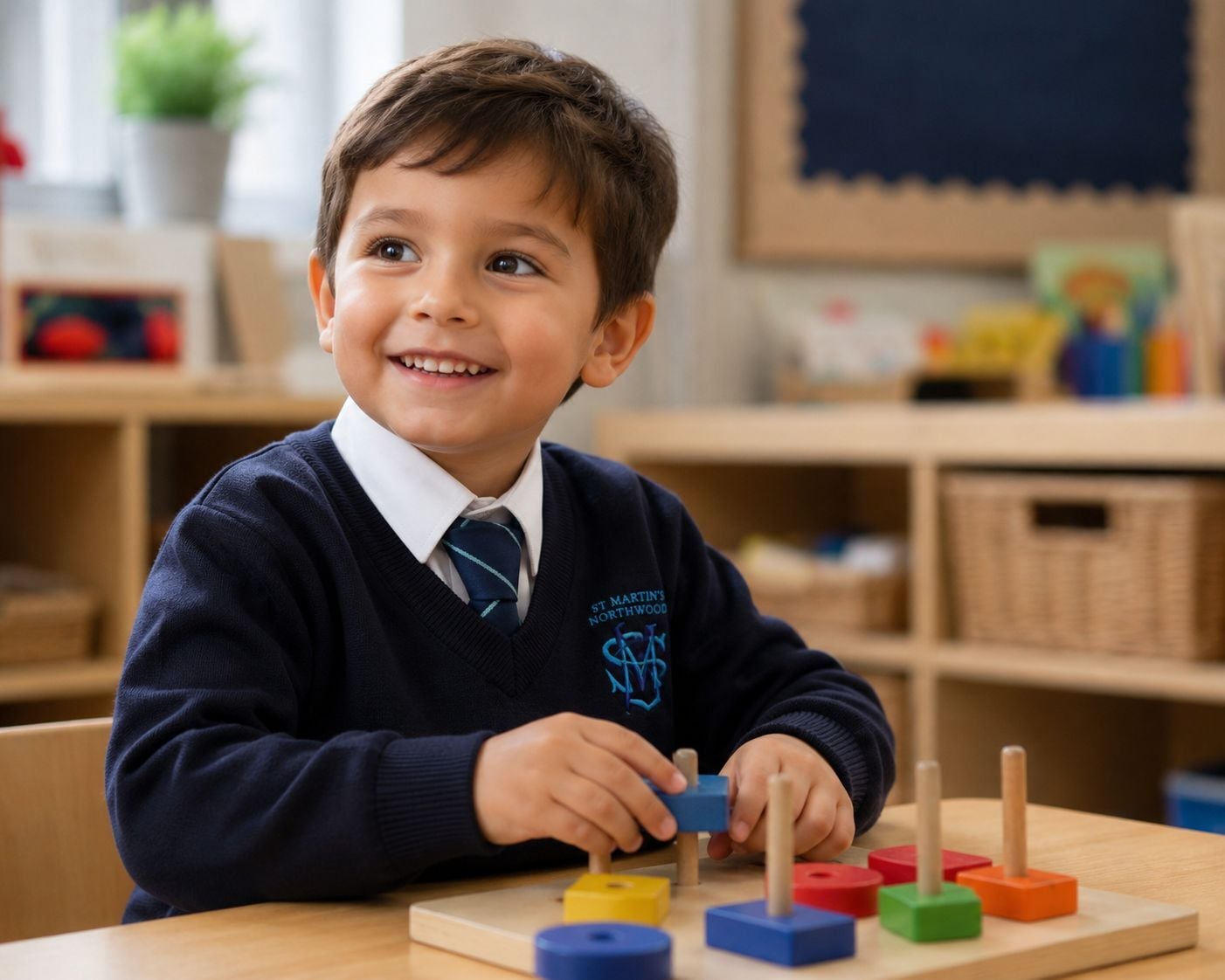
A typical timetable includes core subjects such as English, mathematics and science, alongside specialist enrichment subjects. At St Martin’s, this covers sport, creative arts, digital media and modern languages.
Prep schools have the resources to create facilities that support this breadth of learning. You’ll find dedicated music departments, performance arts facilities and science labs. On the sports side, St Martin’s offers a cricket programme that includes a biennial cricket tour abroad, rugby pitches, badminton and hockey field facilities and more.
Pastoral support and wellbeing
Independent prep schools place strong emphasis on pastoral care. This includes both emotional support and practical guidance to ensure pupils feel safe and confident in their learning environment.
Many schools assign each pupil a tutor or house parent who monitors progress and wellbeing. Counselling services and mentoring programmes are also common. These systems help children adjust to academic pressures and social challenges.
Wellbeing programmes often include physical health, mental health and digital safety. Prep day schools also work closely with parents, keeping communication open through regular reports and meetings.
This strong pastoral focus ensures that academic study is balanced with personal growth, preparing pupils not only for exams but also for the transition to senior school life.
Admissions, progression and opportunities
Independent prep schools in the UK place strong emphasis on careful admissions, structured academic progression and a wide range of opportunities both in and out of the classroom. You will find that the process involves more than just exams, as schools also consider character, interests and potential.
Application process and entrance examinations
You usually begin the process by attending an open day, where you can tour facilities, meet staff and see the school culture first-hand. Schools often require you to complete a registration form, provide your child’s school reports and submit contact details for references.
The admissions team may also invite your child for an interview or informal classroom observation. This allows them to assess social skills and adaptability, not just academic strengths.
Progression to senior schools
Prep schools prepare pupils for a smooth transition to senior education. Many pupils aim to enter selective independent or grammar schools at age 11 or 13. The Common Entrance at 13 remains a standard route from preparatory schools into secondary education. .
Ahead of Year 9, students may already be working towards GCSE subjects or pathways that lead to strong A Level results. Prep schools often maintain strong links with senior schools, ensuring that progression is well supported through academic preparation, interview practice and pastoral care. At St Martin’s, we have strong links with some of the most esteemed secondary schools in our area. Check out some of our most recent leavers’ destinations.
Scholarships, bursaries and financial support
Many independent schools offer scholarships for academic, musical, sporting or artistic ability. These awards often reduce or eliminate fees but may also carry expectations of commitment to school activities.
You may also apply for bursaries, which are means-tested and provide financial support based on household income. Some schools combine bursaries with scholarships to widen access for talented pupils.
St Martin’s offers both scholarships, available to students who are gifted in creative arts, sports or academia, as well as means-tested bursaries. These scholarships and bursaries offer excellent opportunities to students from all backgrounds.
Extracurricular opportunities
Prep schools place a lot of importance on activities outside the classroom. You will find opportunities in music, sport, drama and outdoor pursuits. Many schools run clubs and societies that encourage curiosity and leadership.
Extracurricular programmes often prepare pupils for senior school expectations, where leadership roles and participation in wider activities are valued. Schools highlight these strengths in reports and recommendations, supporting your child’s future applications.
The balance of academic preparation and enrichment helps pupils progress successfully into selective senior schools, whether in the independent sector or competitive state schools.
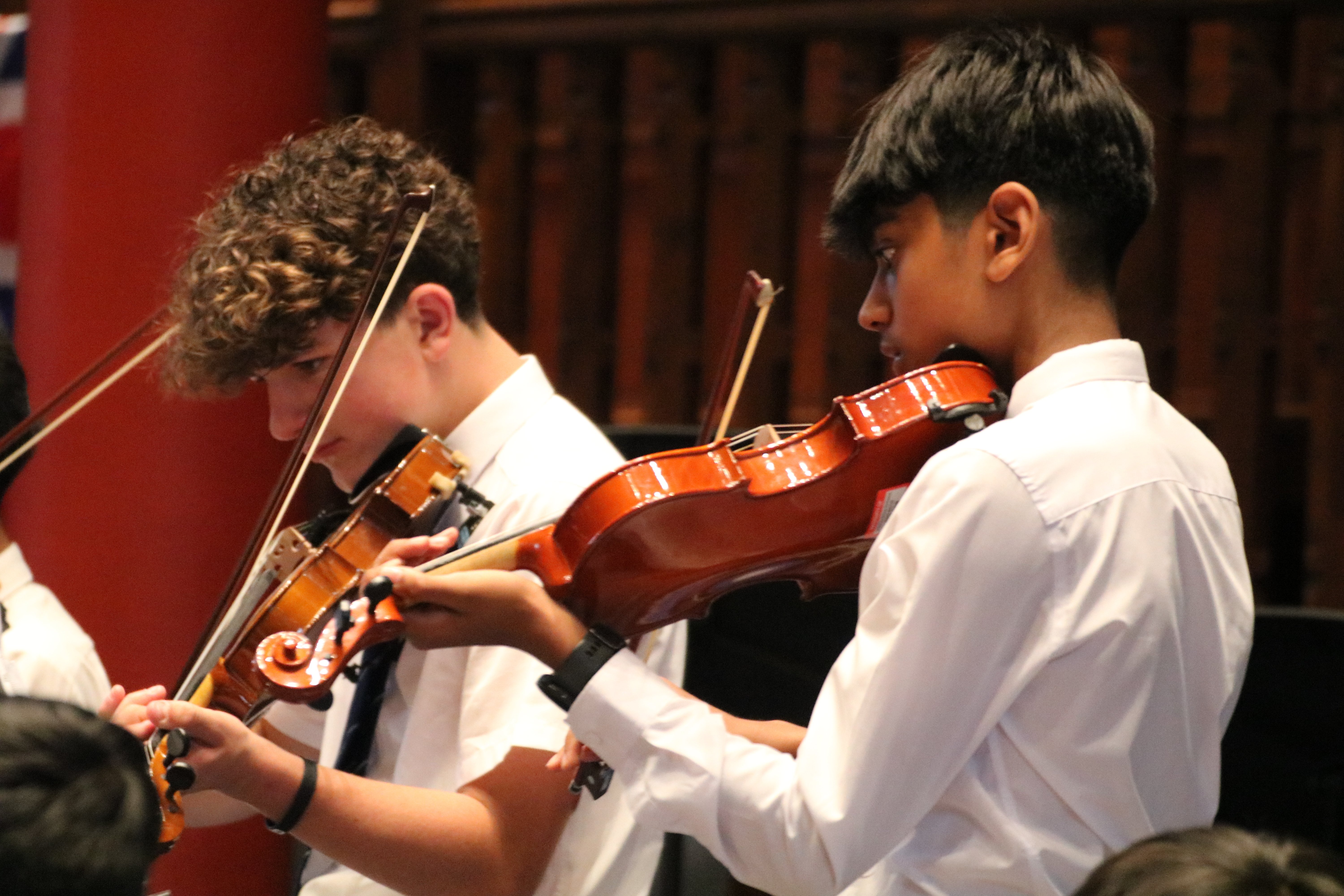
St Martin’s co-curricular programme includes a range of enrichment activities, clubs and classes. From educational visits to dedicated after-school clubs in STEAM, climbing, debating, cooking and more. Students also have the option to engage with music classes and can master instruments including the violin, piano, classical guitar and more.
Frequently asked questions
You will find that preparatory schools differ in structure, cost and purpose depending on location and focus. They can shape academic preparation, athletic development and future opportunities in ways that are distinct from both state and general private schools.
How does the educational experience at a prep school differ from that at a private school?
Prep schools are a type of private school, but they are specifically designed to prepare pupils for selective secondary or higher education. Independent schools can include a wider range of institutions, such as prep schools that teach children up to age 13. The main difference lies in the focus on academic preparation for the next stage.
Who generally enrols in preparatory schools, and what are the common reasons?
Children usually enter prep schools from nursery up until year 7. Families often choose them for strong academic foundations, extracurricular opportunities and preparation for competitive secondary schools. Usually, parents will enrol their child into prep schools if they have a prestigious secondary school in mind for them, if their child exhibits strong skills in one of the school’s specialist subjects or if their child has specific career aspirations.
What are the benefits of choosing a prep school specifically for sports education?
Some prep schools specialise in sports programmes, like St Martin’s. You’ll find advanced coaching, competitive schedules and exposure to scouts in many of these schools. Sports-focused prep schools balance academics with athletics, giving your child the chance to pursue both without sacrificing one for the other.
What opportunities do prep schools offer to students?
Prep schools support exam preparation, entrance into esteemed secondary schools and extracurricular classes that boost specific skills. Students may also gain access to alumni networks and leadership opportunities. Many schools design their programmes to help pupils transition smoothly into secondary schools.