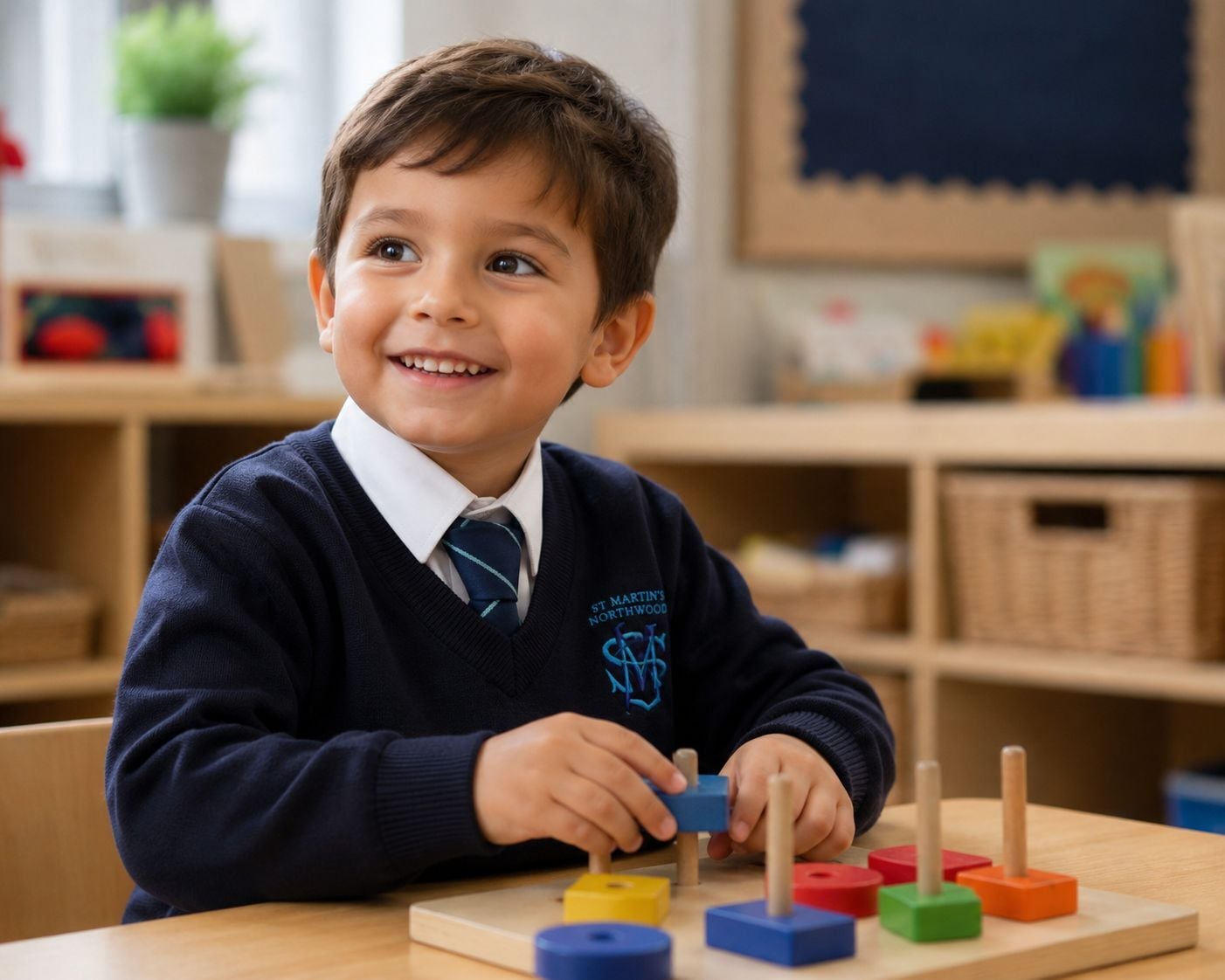
Why Parents Should Consider Single-Sex Schools in 2025
Published on: 16 June 2025
Choosing the right school for your son is an important decision, with many parents wondering if single-sex schools are still necessary in today’s world.
Single-sex schools offer unique benefits, such as reduced distractions and environments designed specifically for boys’ learning needs, which help students achieve their full potential. With these advantages, single-sex schools remain a strong option for families seeking the best fit for their children.
Many parents also appreciate that single-sex schools have the ability to tailor their teaching and activities exclusively for boys, which can lead to greater engagement and confidence in the classroom.
If you’re considering the educational future of your son, learning more about the role and impact of single-sex schools in 2025 can help you make an informed choice. This guide will explore what all-boys’ schools have to offer and the reasons they continue to be an important option for families today.
Understanding single-sex education in 2025
Single-sex schools are still a topic of debate in the UK and other countries. Many parents want to know what makes them different from coeducational schools and what trends are shaping single-sex schooling today.
Definition and variations of single-sex schools
A single-sex school is an educational institution where students are separated by gender. In the UK, this can include boys’ schools, girls’ schools, and some finishing schools. There are more private schools that are single-sex, but you can also find them within the public school system.
Single-gender education may be offered at all levels, including secondary schools and primary schools. Some single-sex schools are entirely single-gender, while others may have coeducational sixth forms.
There are also hybrid models where coeducational schools have single-gender classes for some subjects or year groups. This allows you to choose an environment that fits your child’s needs. The approach can vary between academic-focused private schools, religious single-sex institutions and public secondary schools.
Single-sex education vs coeducational schools
Single-sex schools offer an environment where students avoid distractions from the opposite sex, which some believe helps with academic focus. Some all-boys’ schools design teaching styles and extracurriculars around the needs of boys, leading to a different school atmosphere than you might find in mixed schools.
Coeducational schools, also known as mixed schools or co-ed schools, bring boys and girls together in the same classrooms. Generally, coeducational schools don’t tailor education, activities or support to girls’ or boys’ unique needs.
Recent research has shown that girls in coeducational schools can face higher rates of sex-based harassment compared to single-sex settings. These findings can be important for parents considering the safety and well-being of their children.
Both single-gender and mixed-sex educational institutions have their own strengths and potential challenges. Your choice will depend on your child’s personality, learning style and social needs.
Benefits and critiques of single-sex schools for boys
Single-sex education for boys has clear strengths. Your decision about a school for boys should be guided by how these factors align with your child’s learning needs and future goals.
Academic achievement and performance
Many families are interested in academic outcomes. Studies have looked for differences in academic achievement between all-boys’ schools and coeducational classes. Data from the FFT Education Lab shows that boys’ attainment is higher in all-boys’ schools, and that these results lead to a smaller education achievement gender gap in single-sex schools compared to mixed schools.
Single-sex classes allow teachers to tailor lessons towards boys’ learning styles. This is one of the reasons all-boys’ schools can result in a lower gender gap where boys traditionally lag behind. Private schools for boys also report fewer distractions, creating a focused environment that can support education achievement.
It’s important to look at data for specific schools to understand how they will benefit your child academically.
Focus on boys’ learning styles and wellbeing
Single-sex education is often designed to meet the needs of boys. Teachers in these schools adapt their approach, recognising that boys may respond best to lessons that allow movement, competition and hands-on activities.
Key strengths in boys’ schools may include:
- extra support for literacy and reading skills
- a focus on positive effects for boys who need more structure
- space to explore non-traditional subjects without stigma.
The peer environment can feel less pressured in single-sex education, allowing boys to try subjects or activities that might feel “uncool” elsewhere.
However, some may prefer a wider set of social and learning experiences, or need more exposure to different perspectives.
Gender stereotyping and social development
One common critique is that all-boys’ schools could reinforce gender stereotypes. When pupils are grouped only by sex, there’s a risk that stereotypical ideas about what boys and girls can do are subtly reinforced in academic subjects and extracurricular choices.
Social development is another concern. Boys in boys’ schools might have fewer chances to interact naturally with girls, which may lead to social adjustment periods if boys don’t get the opportunity to interact with girls outside of school.
On the other hand, single-sex environments may help challenge stereotypes by encouraging boys to pursue interests — such as reading or performing arts — without fear of judgement.
Addressing concerns and misconceptions
Single-sex schools, especially all-boys’ schools, are often discussed due to worries about social growth, diversity and fairness. It is important to look at how these schools address issues that parents and students care about most.
Social interaction and development in single-sex settings
You might wonder if boys in single-sex schools miss out on learning how to work and make friends with girls. While all-boys’ schools remove mixed-gender social interaction from the day-to-day, these environments often include structured activities, clubs and trips with coeducational groups or partner schools.
All-boys’ schools focus on supporting the different ways boys learn and interact. Teachers can tailor activities that help boys form strong friendships and build teamwork. Close friendships often form because students share similar life stages and challenges. Pastoral care is tailored to the specific needs of boys, who deal with the continued stigma of showing emotion and seeking support.
It is also important to note that many single-sex schools recognise the need for balanced development. They often create shared events, mixed extracurricular activities, and joint projects to encourage pupils to engage with girls from other schools. These opportunities help students learn social skills in a safe and managed setting, supporting their ability to communicate with peers of the opposite gender later in life.
Institutional sexism and segregation debates
A common concern is whether all-boys’ schools contribute to institutional sexism or just reinforce segregation in schools. Parents may worry these settings allow gender stereotyping to grow by separating boys from girls. Critics claim single-sex schools can create rigid ideas about what boys and girls “should” do.
However, single-sex settings give schools more power to break down harmful stereotypes. Teachers can openly discuss topics that matter for boys, such as respect, responsibility, showing emotion and equality. With careful teaching, students are challenged to see beyond outdated gender roles. Issues like toxic masculinity can be addressed in a safe environment, without boys feeling attacked.
Guidance for parents considering all-boys’ schools
Choosing an all-boys’ school involves thinking about your child’s needs, academic options and how well they will adjust to future changes. You should consider the school environment and potential transitions, including moving to co-ed settings for secondary education or sixth form.
Factors to evaluate when choosing a school
When looking at all-boys’ schools, start by assessing the teaching quality, subject options and extracurricular activities. Focus on what each school offers in areas like science, the arts and sport.
Visit open days to see the school firsthand. Speak with staff and current pupils about the learning environment. Small class sizes and supportive teachers can often make a clear difference.
Ask about the school’s approach to personal development and social skills. While some parents value a focused all-boys setting, it’s also important to understand how the school helps boys develop confidence and friendships.
Transitioning from single-sex to co-ed environments
Often, boys who attend a single-sex prep school will transition to a coeducational secondary, middle or high school. Many of our prep school leavers transition to mixed schools including Aldenham School, Haileybury and John Lyon School, which transitioned from a single-sex school to coeducational.
Some boys’ schools offer a co-ed sixth form, where boys and girls study together after age 16. This change can introduce your child to a broader social group and prepare them for higher education or work.
Help your son gain experience with mixed-gender settings through activities outside of school, such as sports clubs or community groups. This can make the transition smoother when moving to co-ed education.
Frequently asked questions
Single-sex education has changed as schools adapt to today’s society and needs. Many studies and current school policies offer insight into academic, social and legal aspects of single-gender environments, as well as where they may or may not be the best fit for your child.
What are the proven advantages of single-sex education in the UK?
Research in the UK has shown that students in single-sex schools may experience fewer distractions, which can support stronger academic performance. Some single-sex schools report fewer incidents of sex-based harassment, and these schools often provide tailored support for students’ learning needs and self-confidence.
Recently, legal rulings have strengthened the rights of UK single-sex schools, especially around admissions and maintaining single-gender spaces. This has allowed them to continue offering targeted opportunities and maintain tradition within the education system.
How do boys specifically benefit from attending single-gender schools?
All-boys’ schools often provide learning spaces that focus on the interests, communication styles and pace suited for boys. Boys in these schools may feel more comfortable taking part in class discussions and non-traditional extracurricular activities, like the performing arts. They often face less pressure to compare themselves with girls academically and socially, which helps them focus on personal development.
Some schools adapt their teaching methods, such as using more hands-on learning or practical tasks, which can improve engagement and motivation for boys. Careers education, role models and sports programmes are also often designed to appeal specifically to boys’ interests.
Why do single-sex schools continue to exist in the modern educational system?
Single-sex schools continue to exist because many parents still value their traditions, academic results and strong reputations. Some families prefer the focused environment and targeted learning support these schools offer.
Even as more schools switch to co-education, there is ongoing debate over the unique benefits provided by single-gender settings, which can include creating a safe space for boys to express themselves, reduced distractions and the ability to tackle gender stereotypes.
How do single-sex schools address the social development of students?
Single-sex schools focus on building leadership, teamwork and self-confidence through clubs, sports and school events. These opportunities are often tailored to help students interact well with their peers and build strong friendships.
Many schools also work to prepare students for life outside a single-gender setting by encouraging joint activities with other schools, open events and community projects. This helps students develop social skills they will need for life beyond school.