Nurturing a Love of Learning at School
Published on: 9 December 2024
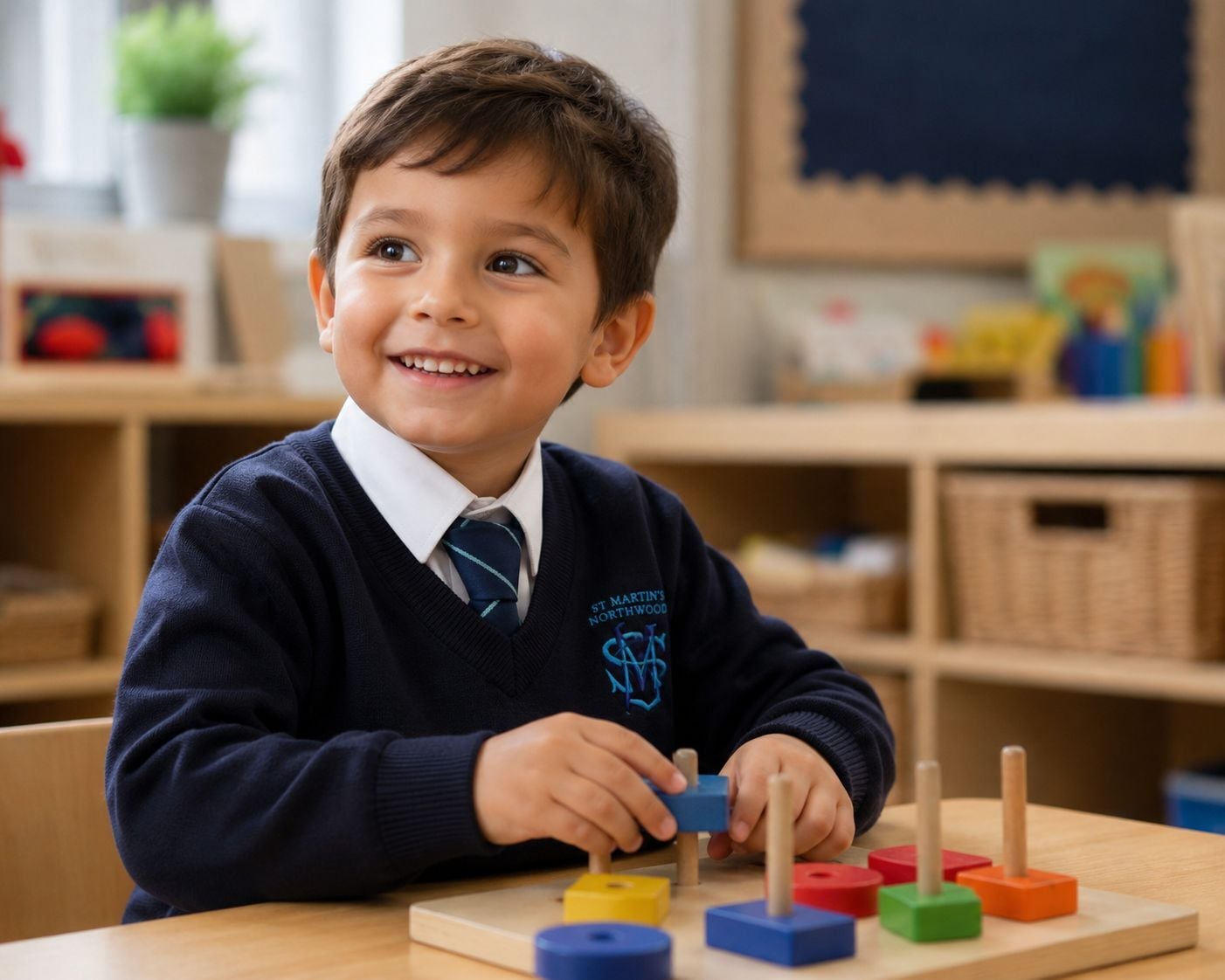
Creating a nurturing environment where students cultivate a genuine love for learning is at the heart of our ethos. This emphasis on lifelong learning empowers students to not only excel academically but also develop essential character strengths in a supportive setting.
Our philosophy ensures that each child is recognised for their unique learning style and is supported in a way that enhances their positive feelings towards education.
Learning is an expansive journey that extends beyond the confines of the classroom. Through a holistic learning process, we encourage our students to engage in real-world experiences, preparing them for life beyond their current grade level. This comprehensive development focuses on both intellectual growth and the nurturing of resilience and creativity.
Building skills and character that last a lifetime is at the core of the St Martin’s experience. By catering to individual pupils’ needs and creating a love of learning, we ensure that every child leaves with a robust foundation for future success.
Key takeaways
- We can nurture a love of learning by recognising individual styles.
- Learning extends beyond classrooms to prepare for real-life situations.
- Character development is central, boosting lifelong skills.
Developing core skills and character
In nurturing a love of learning, developing key skills and building character are essential. This includes focusing on character strengths, adapting to different learning styles and empowering students through strong social-emotional learning.
Character strengths in education
Character education aids pupils’ personal development. We integrate character strengths like responsibility, respect and perseverance into our curriculum, encouraging our pupils to practise these values in daily interactions and promoting a positive school climate.
This approach not only enhances academic achievement but also prepares pupils for real-world interactions. Teaching these strengths helps in building a well-rounded individual capable of contributing positively to society. Programmes that focus on values encourage a growth mindset, which is important for ongoing personal and academic success.
Adapting to diverse learning styles
Every student learns differently. Recognising and adapting to diverse learning styles is a fundamental part of effective teaching. Some students learn best through visual aids, while others prefer hands-on experiences or auditory instructions. Our teachers are skilled in using varied teaching methods to cater to these differences.
By accommodating unique learning preferences, teachers can ensure that each student receives a tailored education. This not only boosts understanding but also creates an inclusive environment where all students, regardless of their learning style, can thrive and feel valued. This approach leads to limitless learning opportunities where pupils can excel at their own pace.
Empowering through social-emotional learning
Social-emotional learning (SEL) helps develop core skills. We incorporate SEL to help students manage emotions, build healthy relationships, create an engaging social life and make responsible decisions. Programmes often include activities that enhance self-awareness, empathy and communication skills.
With strong social-emotional learning skills, pupils can better navigate social situations and challenges. This foundation supports the academic learning process and improves overall wellbeing. By focusing on SEL, we can equip students with tools for both personal and academic growth, making them more resilient and adaptable in various life situations. Implementing SEL across the curriculum ensures we value character development as much as academic success.
Extending learning beyond the classroom
Learning outside the classroom gives students real-world experiences, creating a connection between learning and everyday situations. This approach supports both personal growth and practical understanding, enriching the lives of students beyond the school walls.
Incorporating the business and social aspects of life
Incorporating elements of business and social aspects into education helps students grasp the workings of the world around them. When students engage with projects that simulate real business challenges, they develop problem-solving and critical thinking skills.
Social aspects encourage teamwork and communication, which are important skills for the majority of future careers. Incorporating real-life scenarios into school bridges the gap between classroom learning and the skills needed in the business of life, preparing students for future roles in society.
Learning as a lifelong, memorable experience
Cultivating a lifelong passion for learning requires experiences that stick with students long after they’ve left the classroom. This can be achieved through memorable experiences like field trips or collaborations with local museums and cultural centres. These experiences allow students to connect textbook knowledge with actual experiences.
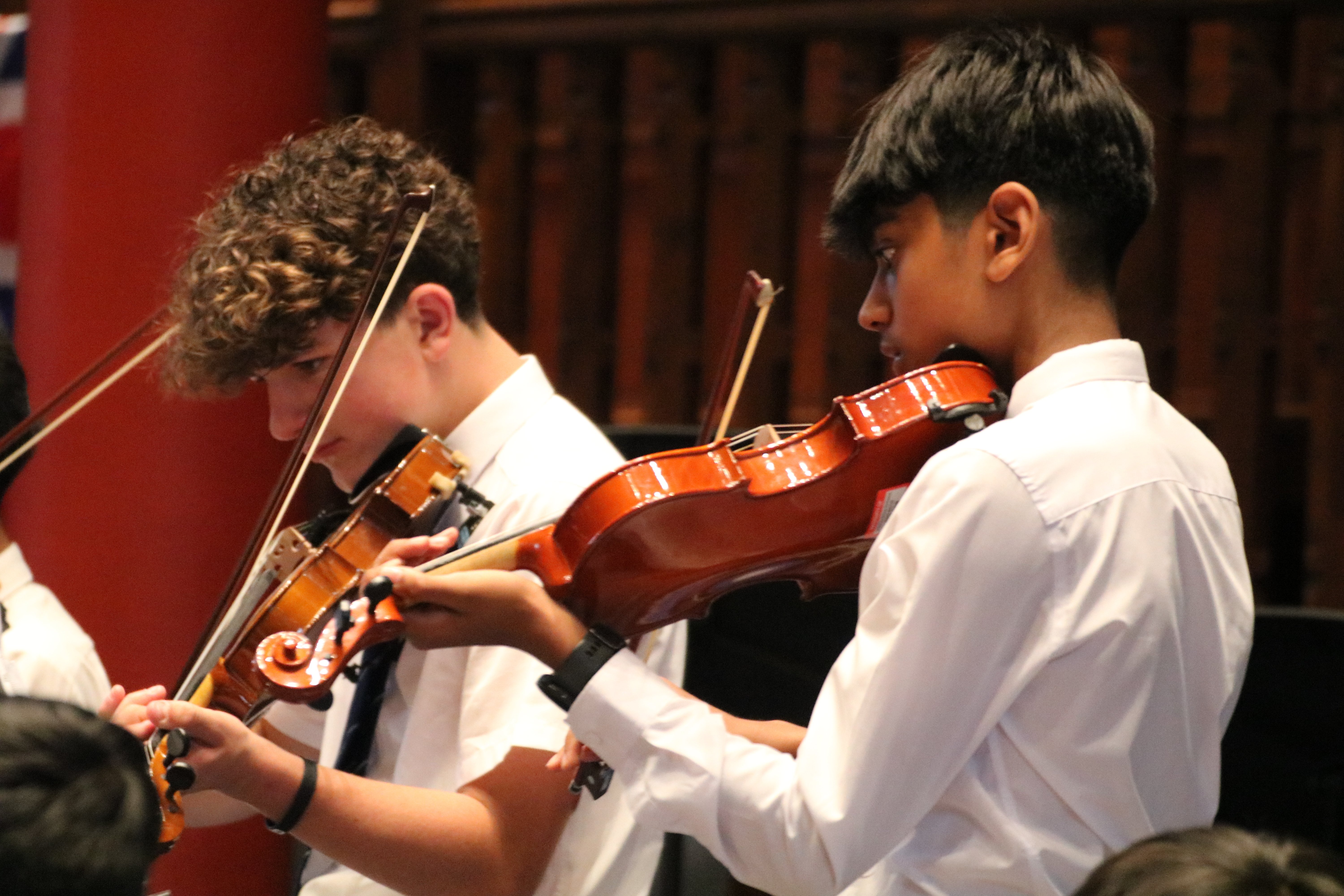
Encouraging exploration during leisure time also enhances actual learning. Our extracurricular activities allow pupils to take up hobbies or projects that interest them, turning learning into a personal and continuous journey. This approach helps sustain curiosity and adaptability, which are key for lifelong and limitless learning.
Building a bridge between learning and life
Creating a connection between learning and the real lives of students enables them to apply their knowledge practically. For instance, teaching students to budget during maths lessons illustrates the use of numbers in everyday life. Introducing discussions on societal and cultural issues in classes brings relevance to learnt concepts.
We engage with professionals from various fields to speak, allowing our students to hear first-hand about future lives and diverse career paths. This bridge between school learning and real-life application enhances the educational experience.
Frequently asked questions
Creating a lifelong love of learning starts at school. We enable our pupils to be curious and enthusiastic towards learning, which they’ll carry through their education and into their adult lives.
What is the importance of instilling a love of learning at an early age?
Early enthusiasm for learning lays the foundation for lifelong curiosity, resilience and adaptability. If kids are brought up with these skills and curiosities, they’re more likely to continue their love of learning for the rest of their lives.
What role do parents play in supporting lifelong learning?
Parents are partners in their child’s education. We encourage open communication, provide resources and offer opportunities for parents to engage in their child’s learning both in and out of school. Supporting children with homework and taking part in enriching activities can help you support their passion for learning.
How do extracurricular activities contribute to lifelong learning?
Extracurricular programmes expose children to new interests, develop their skills and teach them the value of perseverance and teamwork. They show children that school and education isn’t just about academia and allow pupils with more vocational skills to engage with subjects and activities they’re passionate about.
How do you measure success in fostering a love of learning?
Success is reflected in our students’ eagerness to explore, their ability to think critically and their excitement to take on new challenges both academically and personally. A passion for learning can also be evidenced in grades; children who love learning are more likely to be committed to their education, and that results in better academic performance.