Should I Send My Child To Private School? Evaluating Educational Choices
Published on: 9 September 2024
Choosing whether to send your child to a private school can be a challenging decision.
Parents often weigh the benefits of a tailored educational experience against the financial commitment. From smaller classrooms to varied extracurricular activities, private schools offer unique advantages that might appeal to your family.
Private schools can provide a more personalised and broad educational experience, but the costs are a key factor to consider. Private school costs can vary, and the fees allow for investment in impressive facilities and specialised programmes.
Key takeaways
- Private school offers a personalised educational experience.
- The financial cost is a significant factor in your decision.
- Evaluate your child’s needs and school’s offerings.
Understanding the basics of private education
Private education encompasses a range of schooling options outside the state-run system, each offering unique experiences for students. By considering factors like school type, teaching quality and extracurricular opportunities, you can make an informed decision.
Types of private institutions
There are several types of private schools that cater to different needs. Independent schools like St Martin’s operate autonomously without government funding, set their own curriculum and often offer a rich array of extracurricular activities.
- Boarding schools provide both living and learning environments, ideal for students who thrive in structured settings.
- Grammar schools focus on academic excellence, selecting students based on performance.
- International schools offer global curricula, preparing students for a worldwide perspective. Each type allows for a diverse schooling experience tailored to your child’s interests and abilities.
Public vs private schooling
When comparing public and private schooling, key differences emerge.
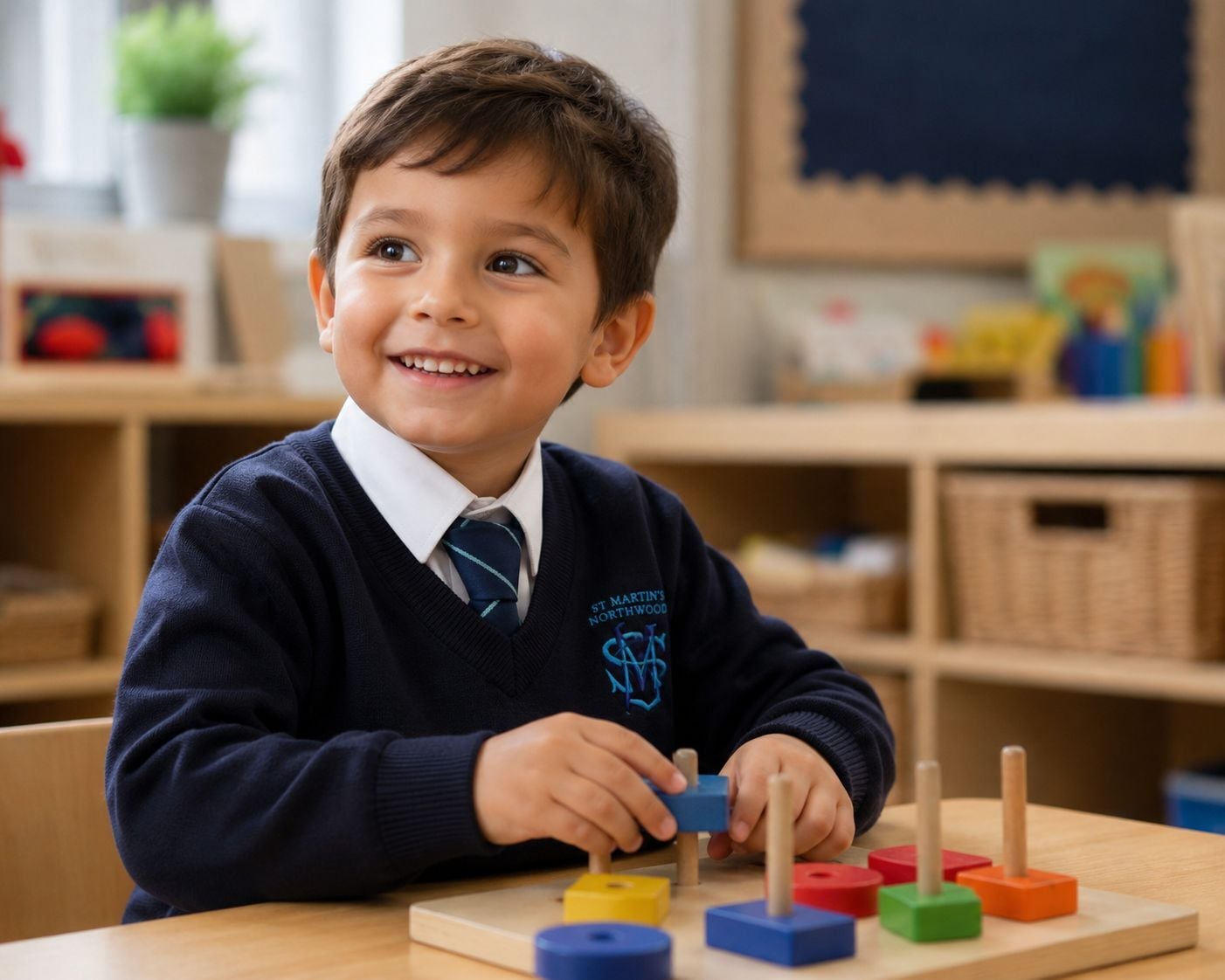
Private school teachers usually manage smaller class sizes, providing more personalised attention. This can enhance academic performance and social skills. School fees in private institutions contribute to superior facilities and more varied school trips.
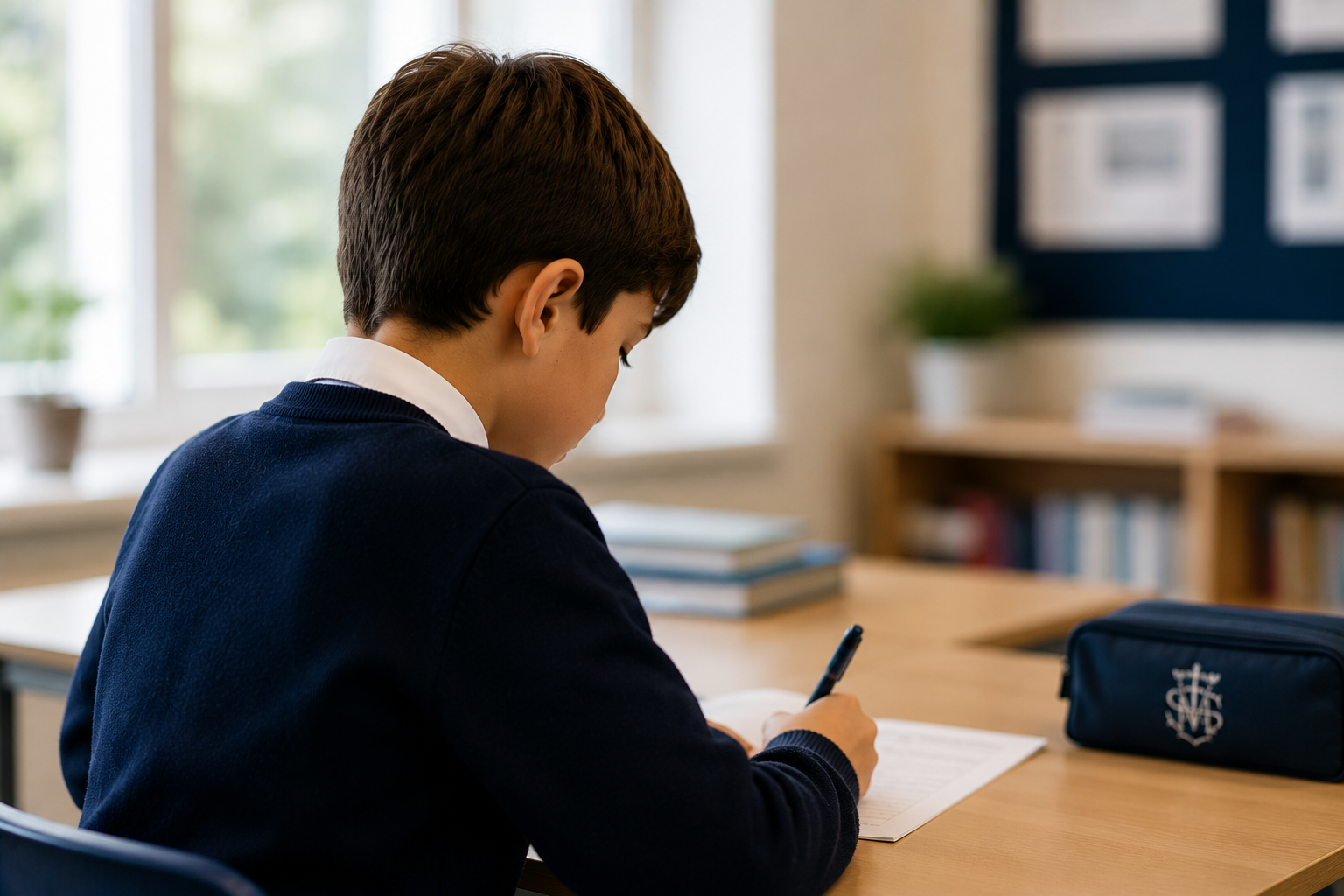
Independent schools typically produce detailed school reports, offering in-depth insights into your child’s progress.
While public schools have dedicated teachers and may be closer geographically, a catchment state school might lack the resources and flexibility of a private setting.

Choosing the right school for your child
Selecting a private school involves understanding your child’s needs and evaluating potential schools.
- Look into academic success rates and how schools support bright children.
- Visit prospective schools and consider their ethos and environment.
- Check what extracurricular activities are available, such as sports, music and clubs.
- Pay attention to the balance between academic rigour and personal development.
Good private education should foster both scholastic achievements and character growth, reflecting a comprehensive approach.
Prioritise schools that align with your values and your child’s aspirations, ensuring a rewarding educational journey.
Economic considerations of private schooling
Choosing a private school involves a financial commitment, but there are also scholarships and bursaries available.
Calculating the cost of school fees
The cost of sending your child to a private day school in Britain often runs into the thousands, with variations between schools. We’re transparent about our school fees at St Martin’s, with costs for attendance and additional considerations all laid out upfront. Additional costs might include uniforms, textbooks, extracurriculars, wrap around care and travel expenses.
Parents considering private schooling should tally up these extras to get a clearer picture of the total financial commitment.
Assessing financial viability and value
Financing private school fees requires a close examination of your family’s financial situation. Consider your income, savings and any potential financial aid or scholarships, and weigh up the benefits against the costs.
The value of private schools, and particularly St Martin’s, comes from smaller class sizes, enhanced facilities, enriching co-curricular activities and a commitment to academic excellence and pastoral care.
As a private school, we channel some of our revenue into our modern amenities, potentially offering significant value for money. It’s important to assess whether these advantages align with your child’s educational needs and your financial priorities.
Evaluating educational and extracurricular opportunities
When choosing a school for your child, it’s important to carefully consider both the educational programmes offered and the range of extracurricular activities available. These factors can greatly impact your child’s development and happiness at school.
Academic curricula and class environment
In private schools, there is a strong focus on delivering a well-rounded curriculum with diverse academic options.
Private schools typically have smaller class sizes, which means your child might receive individualised attention. This can be beneficial, especially if your child has any attention difficulties or requires more support. In state schools, classes may be larger, leading to less personal contact with the teacher.
Mixed ability classes can be found in both schooling systems, but private schools like St Martin’s offer more customisation and flexibility through curriculum selections.
The average class size in a private school is often smaller compared to state schools, allowing teachers to better manage mixed abilities within the classroom. This environment boosts your child’s educational experience and caters more closely to their specific learning needs.

Advantages of extracurricular activities
Extracurricular activities can play a significant role in your child’s personal development.
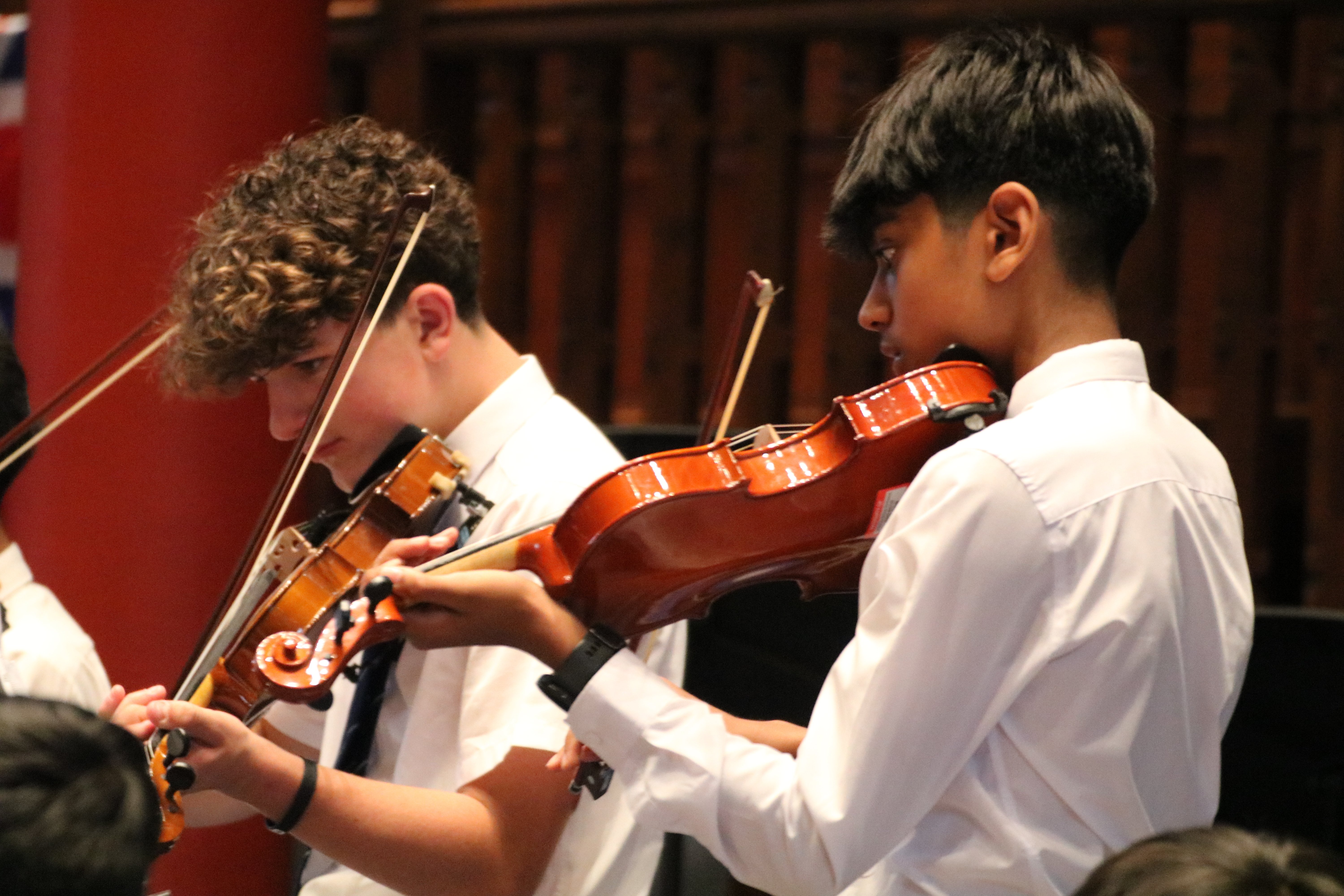
Private schools often highlight a broader range of extracurricular activities – at St Martin’s, we offer 61 after-school clubs in a range of areas including dance, sports and arts, as well as offering educational visits. These opportunities can help your child discover new interests and talents outside of the standard curriculum.
Sports teams offered by private schools are also richly varied, providing your child with chances to interact, learn, and succeed in different settings. At St Martin’s, our sports curriculum includes cross-country running, cricket, swimming, basketball, tennis, football and much more.
Unlike state schools, which might have limited resources for such activities, private schools often invest more in facilities and coaches. This allows children to gain more comprehensive skills outside the classroom, aiding in building self-confidence and social skills.

Frequently asked questions
Deciding to enrol your child in private education involves considering multiple factors such as costs, quality and the impact on your child’s development. It’s also essential to weigh the differences between private and public schooling and how siblings can have different educational paths.
What are the advantages and disadvantages of private education for children?
Private schools often have more control over their curriculum, providing a broader educational experience with a range of extracurricular activities. This can help in nurturing all-round abilities. However, the cost can be a significant consideration for many families.
What factors should be considered when deciding between public and private schooling for a child?
You should look at the school’s resources, teaching standards, class sizes and the specific needs of your child. Pastoral care and extracurricular activities should also be something you explore if you’re considering a private school.
How does private schooling impact a child’s academic and social development?
Children in private schools often experience a boost in academic performance due to smaller class sizes and more personalised attention.
Socially, there can be more opportunity for participation in specialised clubs and activities, which fosters diverse skill development. St Martin’s focuses on building character, resilience and social skills as well as providing essential core and extracurricular education.

What are the potential reasons for a parent to choose private education over public?
Some parents opt for private education for superior facilities, specialised programmes or religious instruction that may not be available in public schools.
Additionally, private schools offer more personalised learning environments, which can be appealing to parents seeking a tailored education for their child.
At what stage of education is it most beneficial to enrol a child in private school?
Many parents consider enrolling their children in private school during primary years, as it sets a foundation for learning habits and social skills.
However, some prefer to wait until secondary education, where focused resources and advanced facilities might be better utilised.
How can parents manage differing educational paths for siblings, such as one attending private school while the other does not?
It’s essential to communicate openly with each child about the reasons for their different educational paths and consider their individual needs and strengths.
Balancing extracurricular activities can help ensure both have access to similar developmental opportunities. Foster a supportive family environment where both children feel equally valued and celebrated.