Finding His Voice: Developing Public Speaking and Oracy Skills in Boys
Published on: 5 January 2026
Oracy – the ability to speak and listen effectively – is just as important as reading and writing for academic success and future opportunities, yet it often receives less attention in traditional education.
When boys lack strong speaking and listening skills, they may fall behind in school, feel less connected to their peers and miss out on chances to share their ideas.
The good news is that public speaking and oracy skills can be taught and developed at any age. By understanding what oracy skills include, from physical confidence and clear articulation to quick thinking skills and emotional awareness, you can help your son become a more effective communicator.
Here, we explore practical approaches to building these essential skills in young boys. We’ll cover why early intervention matters, discover proven classroom and home strategies and detail how schools like St Martin’s support oracy development to create confident communicators who can succeed in school and beyond.
The importance of oracy and public speaking for young boys
Boys who develop strong spoken language skills gain advantages that extend far beyond the classroom. Research demonstrates that early language development directly affects academic achievement, personal confidence and future career prospects.
Why oracy skills matter for boys’ development
Oracy encompasses the skills and techniques young people use to express thoughts verbally, including listening, understanding and responding effectively. For boys, these abilities form the foundation for expressing opinions, asking questions and collaborating with others.
Boys who struggle with spoken language at age five face significant challenges later. Children with weak language skills at this age are six times more likely to fall below expected levels in reading and writing by age 11. This pattern continues through GCSE level and beyond, creating lasting educational disadvantages.
Strong oracy skills enable boys to:
- express their thoughts and opinions with confidence
- ask questions and seek information actively
- collaborate with peers whilst sharing ideas
- listen with understanding and empathy
- engage critically with the world around them.
The impact of spoken language on education and wellbeing
Research shows that children supported to develop strong language skills in their earliest years are more likely to succeed in school and work whilst leading happier lives.
Language and communication abilities affect boys’ capacity to build and maintain healthy relationships. Boys with developed oracy skills demonstrate greater confidence in communicating across different settings. They can advocate for their own rights and the rights of others more effectively.
Oracy education supports both academic success and personal development, particularly for disadvantaged students who may lack exposure to rich language environments at home.
Oracy and employability in the modern world
Your son’s spoken language skills will directly influence his employment prospects. Schools increasingly recognise oracy’s value in helping pupils prepare for their futures and understand the world around them.
Modern employers prioritise candidates who can communicate effectively in meetings, presentations and collaborative projects. Boys who develop strong oracy skills can articulate ideas clearly, debate constructively and work effectively in teams. These competencies prove essential across virtually all career paths.
The ability to critically analyse information and communicate findings is key for the future world of work. Boys equipped with robust language development can navigate complex workplace scenarios, from client presentations to project negotiations.
Early foundations: building oracy skills from a young age
The first five years of a child’s life establish the groundwork for all future communication abilities. Early words matter significantly, as language and communication skills developed during this period directly influence academic success and social confidence throughout schooling.
The role of early language experiences and home environment
Your home environment serves as your child’s first classroom for language development. The quality and quantity of conversations he experiences daily shape his vocabulary, confidence and ability to express himself clearly.
Research shows that children who engage in rich back-and-forth conversations at home develop stronger oracy foundations. Everyday moments like mealtimes and car journeys offer valuable opportunities for meaningful talk.
You can strengthen your son’s early language experiences through several approaches:
- Model clear speech by speaking directly to him using complete sentences.
- Expand on his words when he communicates, adding new vocabulary naturally.
- Ask open-ended questions that encourage longer responses than yes/no answers.
- Share stories together and discuss characters, feelings and predictions.
When you prioritise talking at home, you create a foundation that supports all areas of learning.
Developing listening and speaking in early childhood
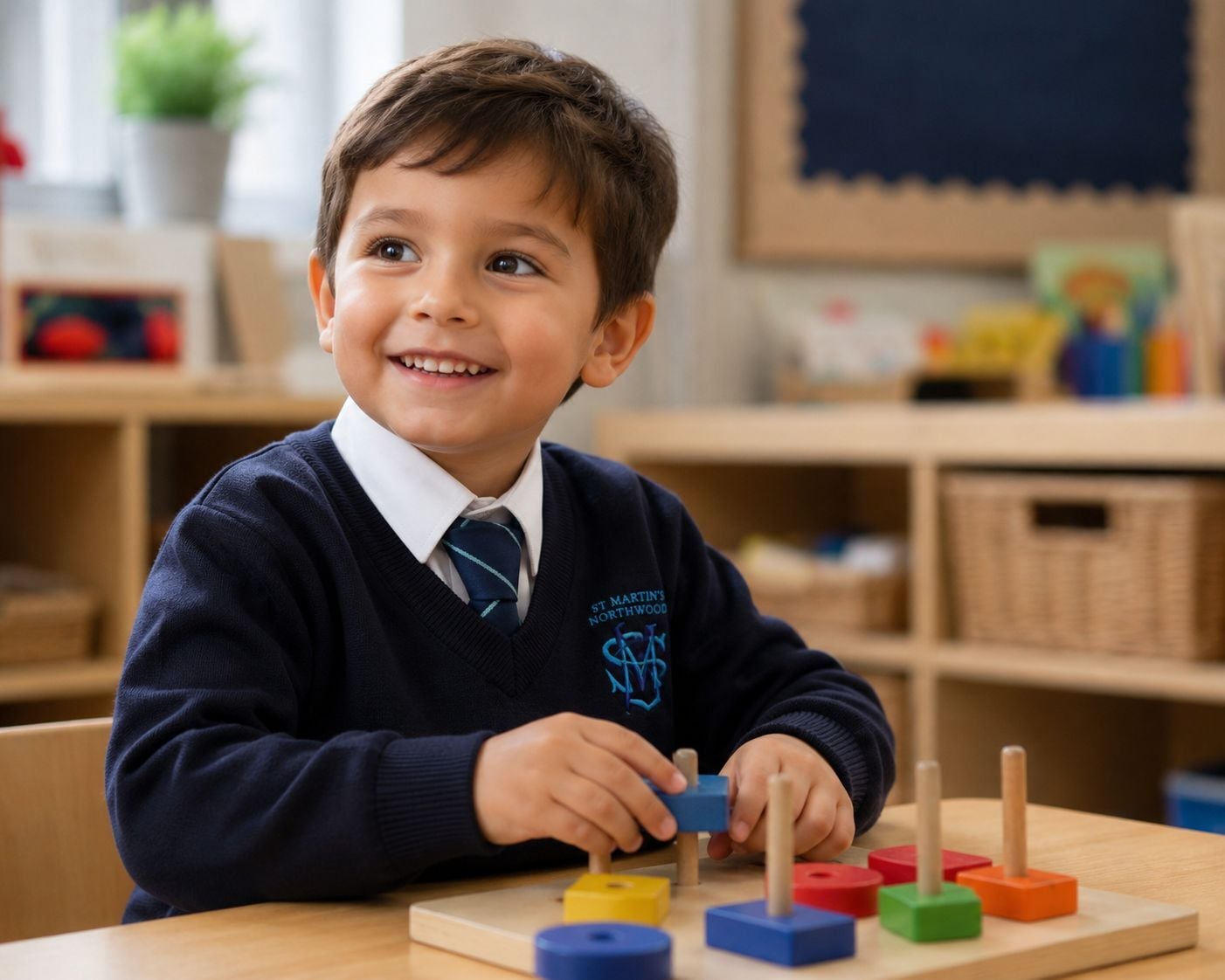
Young boys need structured opportunities to practise their oracy skills alongside natural conversation. Activities like show-and-tell sessions help children speak audibly, stay on topic and respond to questions while building confidence.
Listening skills develop alongside speaking abilities. You can support both by:
- maintaining eye contact when your child speaks
- waiting patiently for him to finish his thoughts without interrupting
- demonstrating active listening through nodding and responding appropriately
- playing games that require following multi-step instructions.
Sustained shared thinking represents an effective approach where adults and children explore ideas together through conversation. This method involves asking thoughtful questions, encouraging speculation and helping your son make connections between different concepts.
Effective strategies for developing public speaking in boys
Boys benefit from structured approaches that build confidence gradually and create opportunities for authentic and effective communication. These strategies focus on practical application, removing obstacles and creating supportive peer environments.
Practical activities for creating confident communicators
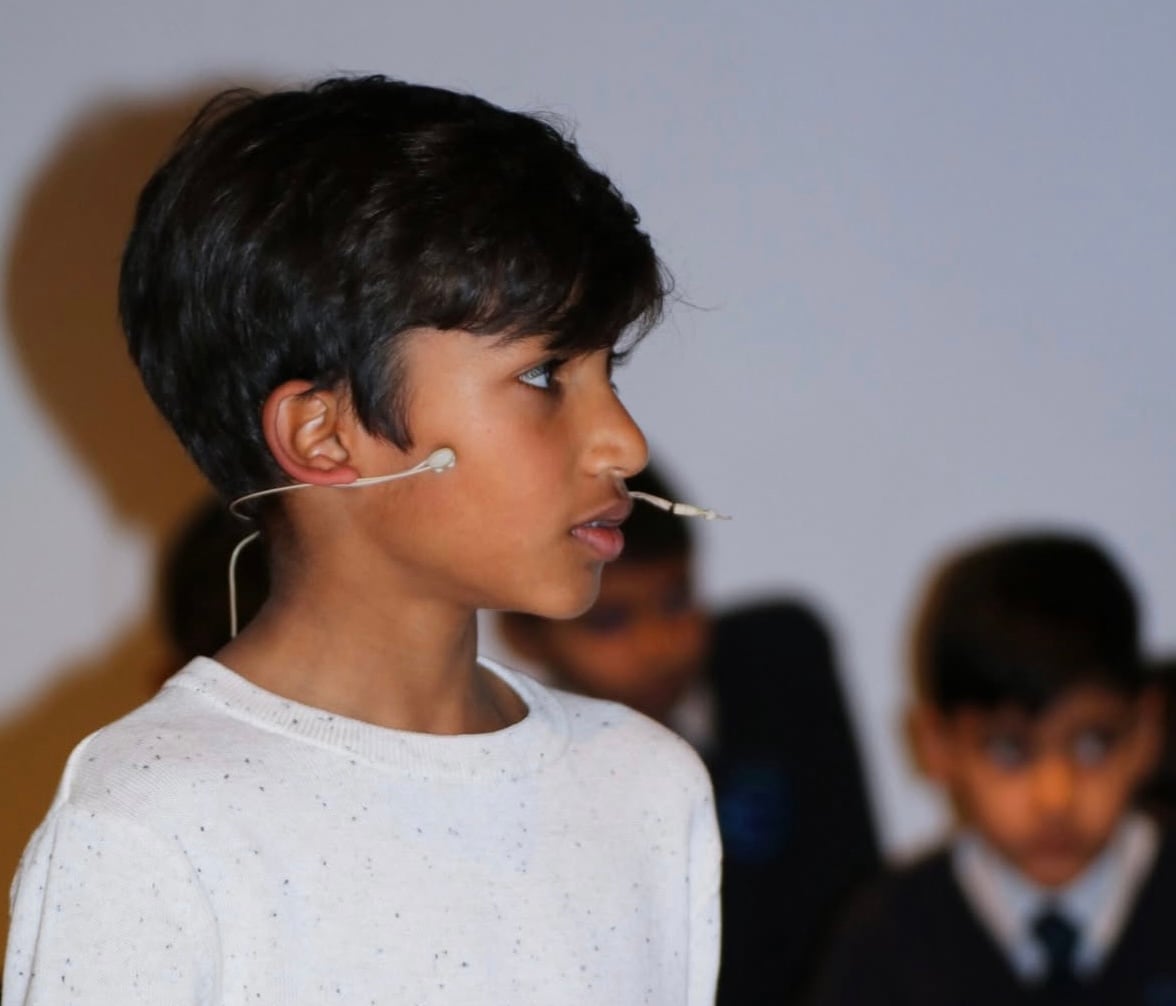
At St Martin’s, we build strong public speaking and oracy skills by starting with low-pressure speaking opportunities that feel natural to boys. Daily check-ins and circle time give regular practice without high stakes. Creating a safe space for speaking requires treating mistakes as learning opportunities rather than failures.
Role-play activities work particularly well for boys. We set up scenarios like a shop, post office or news desk allowing them to practise language in imaginative contexts. These activities reduce cognitive pressure whilst building vocabulary and expression naturally.
Show and tell sessions using objects important to boys give them ownership over their speaking content. This personal connection makes speaking feel purposeful rather than performative.
We incorporate back-and-forth interactions throughout the day, and this is something that should be replicated in the home. These conversations help boys practise turn-taking, questioning and responding. Exploratory talk activities encourage phrases like “I’m not sure, but…” or “I think it could be…” which normalise uncertainty and promote thinking through speaking.
Our starter activities include:
- pair discussions before whole-class sharing
- small group debates on age-appropriate topics
- oral storytelling with visual prompts or props
- recording short presentations or podcasts
- presenting findings from group investigations.
Overcoming common barriers to participation
Many boys face specific barriers that prevent them from finding their voice in classroom discussions. Fear of judgement from peers often silences boys who worry about saying something wrong.
Both parents and educators can address this by establishing clear discussion guidelines that emphasise listening to understand and building on each other’s ideas. Tools like talking tokens in class ensure everyone gets equal speaking time and prevent dominant voices from taking over.
Some boys struggle with the pressure of immediate responses, which is why it’s important to give them thinking time before expecting answers. Pair work or small group discussions before whole-class contributions help boys rehearse their thoughts in safer settings.
Developing speaking skills requires recognising that communication styles vary. Not all boys will be loud or confident speakers. Some prefer quieter contributions or need alternative methods to share ideas initially.
As a parent, you should model open communication yourself. Think aloud, try new vocabulary and acknowledge when you’re unsure. Children see you as a role model, so use that to their advantage.
Using group work and peer support
Group work provides essential practice for speaking and listening skills whilst reducing individual pressure. Boys learn from observing peers and gain confidence through shared responsibility.
It’s important to structure groups carefully to balance personalities and abilities. We mix confident speakers with quieter boys so they can learn from each other and assign specific roles like timekeeper, recorder or presenter to give each boy a clear purpose.
Oracy development happens naturally when boys work collaboratively on meaningful tasks. Problem-solving activities or creative projects generate authentic dialogue where boys negotiate, question and explain their thinking.
Peer feedback sessions teach boys to listen critically and respond constructively. Starting with sentences like “I liked when you…” or “You could try…” structures supportive responses.
Group structures that work well:
- Think-pair-share for quick discussions.
- Jigsaw activities where each boy becomes an expert.
- Debate teams with preparation time.
- Collaborative presentations with divided responsibilities.
- Peer teaching sessions where boys explain concepts.
We rotate group compositions regularly so boys experience working with different classmates. This prevents fixed dynamics and helps all boys develop flexibility in their communication approaches.
Integrating oracy into the curriculum
At St Martin’s, we build oracy into the curriculum across all subjects. When teachers integrate speaking and listening into maths problem-solving or history debates, boys develop these skills naturally whilst learning other content.
Oracy encompasses four distinct skill areas:
- Physical: voice projection, eye contact, gestures.
- Linguistic: vocabulary, grammar, rhetorical techniques.
- Cognitive: organising ideas, reasoning, questioning.
- Social-emotional: listening, turn-taking, confidence.
Schools that prioritise oracy development see students solving problems collaboratively and leading assemblies. Your son will use oral language to develop vocabulary, make connections with prior knowledge or build conversation skills.
Frequently asked questions
Young boys often need specific support and strategies to build their speaking abilities. These questions address practical ways to help boys develop confidence, overcome fears and strengthen their communication skills at home and in school.
How can we boost confidence in public speaking among young boys?
Start with small, low-pressure speaking opportunities where boys can practise without fear of judgment. You can create a supportive environment by celebrating effort rather than perfection.
Providing regular chances for boys to share their thoughts in small groups before moving to larger audiences is a gradual approach that helps them build skills progressively.
Positive feedback that focuses on specific strengths reinforces confidence; for example, pointing out when a boy speaks clearly or makes good eye contact rather than offering vague praise.
What are effective methods to develop oracy skills in boys?
The Oracy Framework breaks down speaking skills into four areas: physical, linguistic, cognitive and social and emotional. Educators and parents can use this structure to identify which skills need development.
Interactive activities like storytelling, show-and-tell, and group discussions give boys practical experience. These activities work best when they connect to boys’ interests and experiences.
Model good speaking habits as a parent by thinking aloud and explaining your communication choices. Boys learn by watching adults use effective speaking techniques in real situations.
Can participation in structured debates and drama encourage boys to improve their speaking skills?
Structured debates give boys a structured format to express opinions and practise persuasive speaking. The competitive element of debating teams often appeals to boys who enjoy challenge and achievement.
Drama activities, meanwhile, allow boys to experiment with different voices and characters in a safe space. Role-playing removes some pressure because boys speak as someone else rather than themselves.
Both activities teach boys to think on their feet and respond to others. These skills transfer directly to everyday conversations and formal presentations.
What techniques can educators employ to make speaking in public more engaging for boys?
At St Martin’s, we connect speaking activities to topics boys find genuinely interesting. Boys engage more readily when they can discuss subjects they care about.
We encourage pupils to use movement and physicality in speaking exercises, because boys often respond well to activities that combine talking with action or gesture.
Creating authentic audiences for speaking tasks gives it more purpose too. Boys see more purpose in their communication when they present to younger pupils, parents or community members rather than only their classmates.
How can parents support their sons in overcoming the fear of public speaking at home?
Listen actively when your son speaks without interrupting or finishing his sentences. This shows that his words matter and encourages him to keep talking. Practise speeches or presentations together at home before school events. Running through material in a familiar environment reduces anxiety about the actual performance.
Share your own speaking experiences, including times you felt nervous. Boys feel less alone in their fears when they know adults struggle with similar challenges. Avoid putting excessive pressure on perfection. Frame speaking opportunities as chances to learn rather than tests to pass.