8 Ways You Can Help Your Child Make Friends in School
Published on: 1 December 2025
Starting school or moving to a new class can be an equally exciting and nerve-wracking time for your child.
Your child may be in a position where they need to make new friends, but they’re unsure about how to connect with others. You can guide your child toward building friendships by giving steady support, simple skills and calm encouragement.
Here, we’ll explore how everyday actions at home and school can shape your child’s social development. We’ll show you how to support your child’s confidence, handle their nerves and create chances for positive social connections, while working with teachers and building a caring home environment.
1. Encourage your child to join clubs or extracurricular activities
Clubs and extracurricular activities give your child a clear way to meet other pupils with shared interests. When children enjoy the same activity, they find it easier to start conversations and build trust.
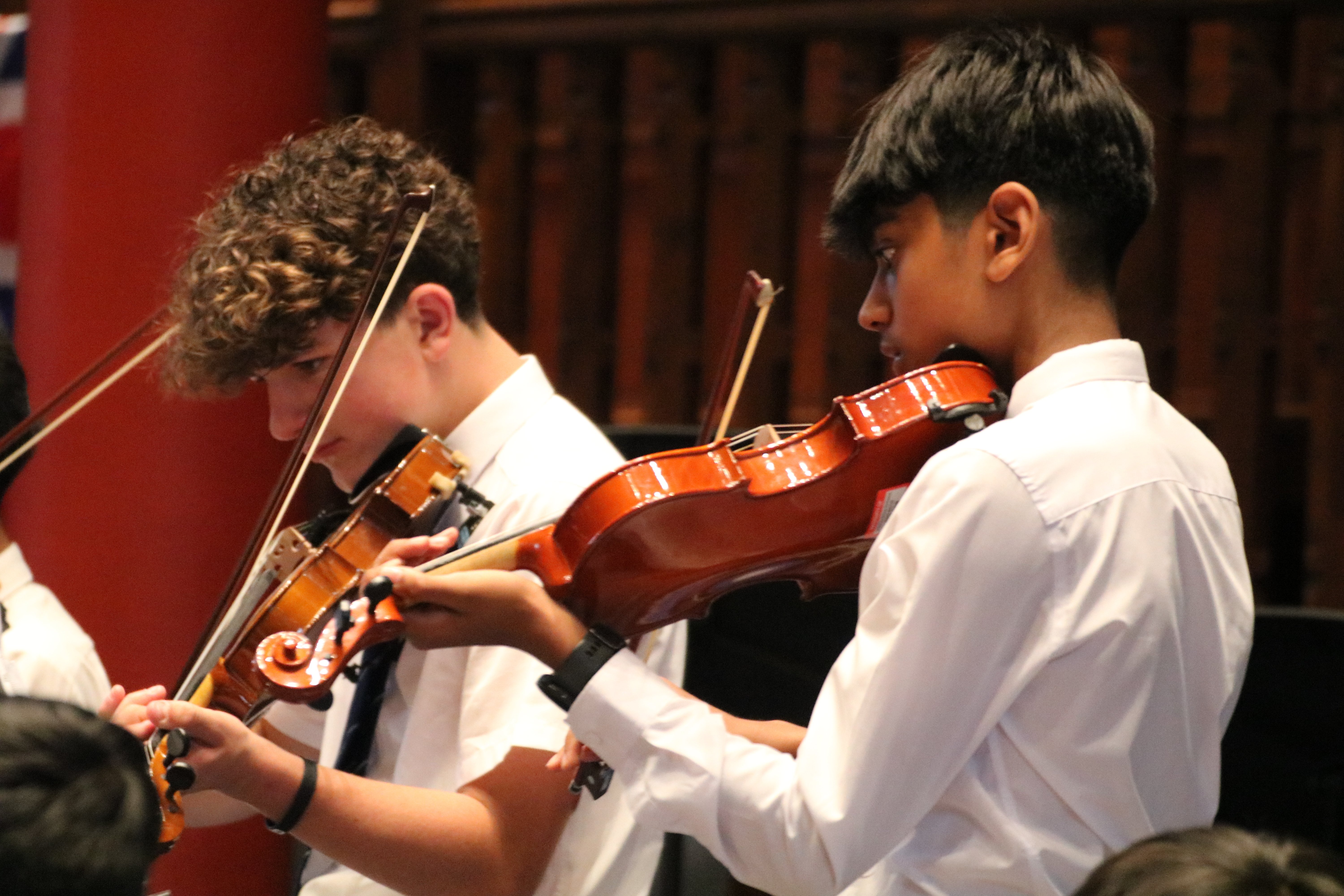
You can talk with your child about what they enjoy and suggest options that fit their interests. Sports, music, art and drama in particular all support social growth and confidence, as they encourage children to interact with one another.
Start small if your child feels unsure. A short club session or a low-pressure activity can help them feel safe and comfortable getting started. Stay supportive without forcing them to join everything; children respond better when you respect their pace instead of being pushy.
When your child attends clubs and extracurricular activities regularly, they see the same faces each week. This routine helps meaningful friendships grow in a natural and steady way.
2. Role-play common social situations with your child
You can help your child practise their social skills by acting out simple, everyday moments. Role-play gives them a safe way to refine their words, tone and body language before they use them at school. This method works well for children who feel shy or unsure and helps them recognise social cues more clearly.
Focus on common school situations to improve your child’s social competence. You might practise how to join a game at playtime or how to start a chat with a classmate. Take turns playing different roles and let your child act as both themselves and the other child. This helps them see how conversations flow and how others may feel.
Keep sessions short and relaxed. Praise effort, not perfection, and repeat practice often. These simple role-playing activities can fit easily into daily routines.
3. Arrange playdates with classmates outside school
Give your child a head-start in building peer relationships by arranging playdates with classmates. This can be especially helpful ahead of them starting a new school or year.
Meeting outside school gives children time to talk and play without classroom pressure, and a familiar setting can help your child feel calm and more open.
Short visits work well, especially for younger children or those who feel shy. This setup makes it easier to practise sharing, turn-taking and basic conversation skills.
Choose relaxed activities like playing in the park, drawing or building toys. These activities give children something to focus on while they talk. They also reduce awkward moments and help friendships grow naturally.
You can support your child by staying nearby but not directing the play. This approach lets children solve small problems on their own, which supports social growth.
4. Teach simple conversation starters and questions
You can help your child feel more confident by teaching simple ways to start a conversation. Many children want to talk but do not know how to begin. Short, clear phrases make social moments feel easier to manage.
Start with basic questions your child can remember and use at school. Examples include “What game are you playing?” or “Do you like this class?”.
Practise these questions at home through role play. Take turns asking and answering, and keep the practice relaxed. This helps your child learn when to listen and how to respond.
Remind your child that conversations work best when they show interest in others. Asking follow‑up questions and making eye contact can keep the chat going. Encourage your child to use these relationship skills during playtime or group work – small, repeated efforts often lead to stronger social confidence over time.
5. Discuss the importance of kindness and empathy
You help your child build friendships when you talk about kindness and empathy in simple, clear ways. Explain that kindness means caring about how others feel, even in small moments at school. This helps your child understand why actions matter.
Encourage your child to notice emotions in others. You can ask how a classmate might feel during playtime or group work. This supports early empathy and stronger social skills, as described in guidance on building social skills through empathy.
You also set the tone by showing kind behaviour at home. Children often copy what they see, including how adults speak and listen. Family habits can reinforce these lessons, which experts highlight when discussing raising a kind, caring child with empathy.
Suggest small acts of kindness your child can try at school. Simple actions like sharing, helping or saying thank you can make their peers feel valued. Regular practice helps kindness become a natural part of friendships.
6. Help your child recognise and manage feelings of nervousness
You can help your child by naming their feelings. Use simple words like worried, shy or unsure. This helps your child understand their emotions, which is the first step in overcoming them.
Let your child know that nervous feelings are common for children at school. Many children feel this way when they meet new classmates or join group activities. Guidance on common signs of anxiety in children can help you spot patterns early.
Encourage your child to talk about what they feel without rushing to fix it. Listening calmly builds trust and helps your child feel safe. Simple steps like validation can reduce stress and support emotional skills growth.
Teach small coping skills they can use at school. Slow breathing, counting to ten or focusing on one calm thought can help. You can also practise these skills at home with short mindfulness activities for children, which can improve focus and help your child stay present in social moments.
7. Praise your child for social efforts, not just results
Making friends is a challenge at any age in childhood, and it can be daunting for children, so it’s important to support their efforts. Praise actions like saying hello, joining a game or staying calm after a setback. This shows you value the process of trying.
Be specific about what you’re praising your child for. Say you noticed them waiting their turn or asking a kind question. Clear feedback helps your child repeat helpful behaviours.
Normalise mistakes in social settings, too. Let your child know that awkward moments happen to everyone. Children learn from practice, not perfection. By keeping your praise calm and honest, you can offer consistent, effort-focused feedback that helps your child feel safe to try again.
8. Support your child in resolving conflicts calmly
Friendships at school will include disagreements. You can help your child handle these moments without anger or fear.
Teach your child to name their feelings and listen to others. Simple actions like taking turns to speak and using “I feel” statements support your child’s communication skills.
Modelling calm behaviour at home is a key way to help your children understand healthy conflict management. When your child sees you solve problems with respect, they learn to do the same with classmates. This approach builds confidence and trust over time.
Practise common school conflicts through role play. You can act out sharing issues, teasing or group work problems to help your child address common challenges. Don’t forget to encourage your child to seek help when needed, too. Knowing when to ask a teacher for support is part of healthy problem solving.
Frequently asked questions
Parents have a key role to play in how children build social skills, create real friendships and handle common challenges like shyness or conflict. By offering support, encouragement and practising common scenarios, you can set your child up for success in their friendships at school and beyond.
What strategies can parents use to improve their child’s social skills?
You can improve your child’s social skills by practising real situations at home. Role-play greetings, sharing and asking to join a game so your child knows what to say.
Working together on friend-making ideas, such as choosing a club or inviting a classmate over, is a collaborative activity that can not only strengthen your child’s ability to make friends, but also to bond you more closely with them.
How can I support my child in developing strong friendships at school?
You support strong friendships by listening first. Ask who they enjoy spending time with and what feels hard during the school day. You can also reinforce skills like kindness, empathy and respect. These traits help peer relationships last and matter as much as finding friends.
If your child is struggling, or nervous before starting a new school, you can take initiative and arrange playdates with their current or future classmates. Meeting or connecting with their fellow pupils in a low-pressure environment can feel less daunting than making friends at school.
What activities can encourage my child to interact more with peers?
Group activities give children a clear reason to talk and cooperate. Sports teams, art clubs and music groups work well because they focus on shared goals and embed collaboration naturally. Explore local groups too – it’s not just schools that offer activities that allow children to make new connections.