Why Outdoor Learning Matters, Confidence and the Natural World
Published on: 19 October 2026
The outdoors is another place to learn
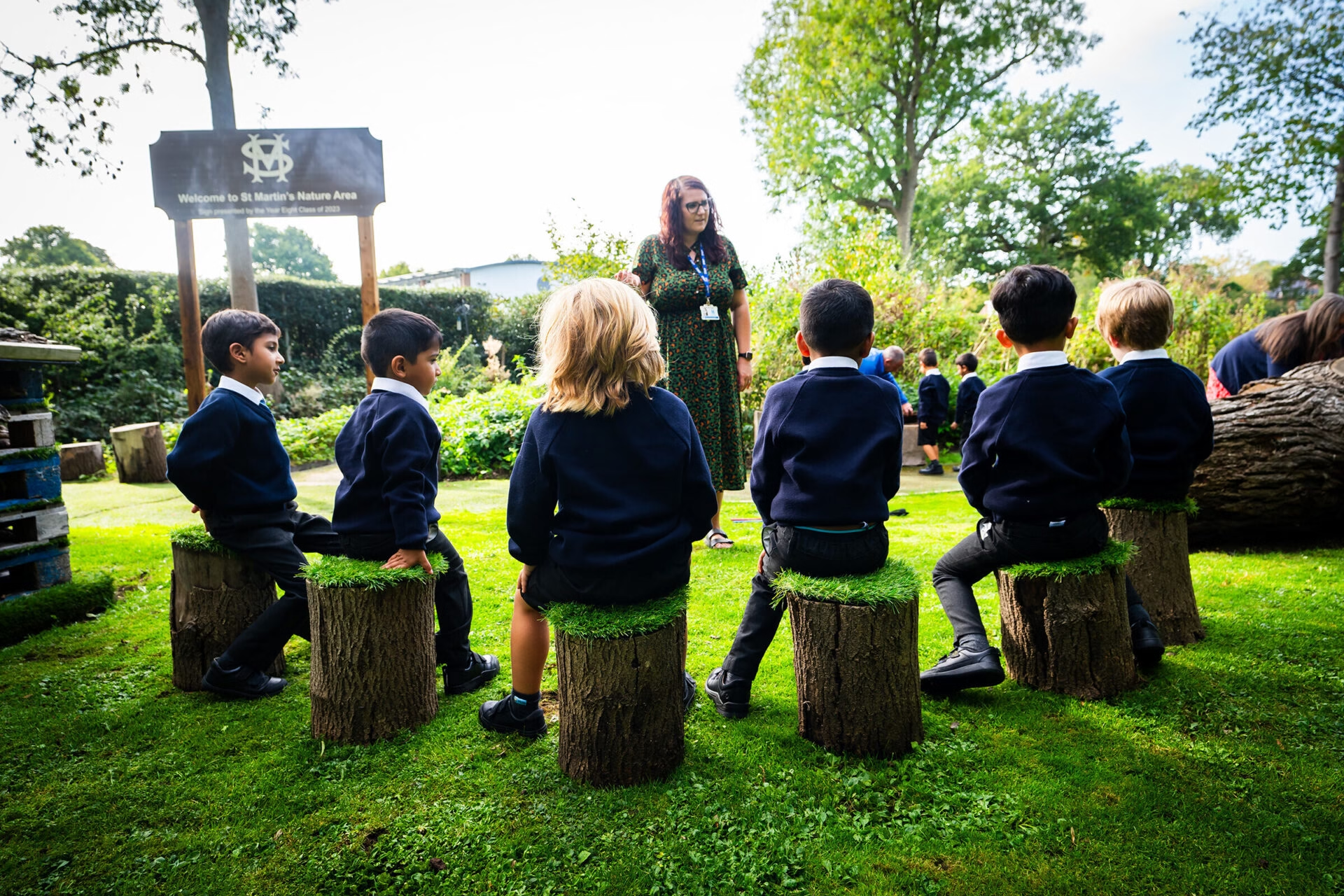
A classroom is not defined by four walls. In gardens, woodland and open spaces, children can observe change, test ideas and learn through direct experience. Autumn offers particularly rich prompts: shifting colours, different weather, fallen leaves and questions about the living world.
Curiosity begins with noticing
A child who spots a pattern in leaves or wonders why a puddle disappears is already asking a scientific question. Adults can deepen the experience by asking “What do you notice?” and “What do you think might happen next?” rather than supplying every answer.
Confidence grows through manageable challenges
Outdoor experiences can involve balancing, building, navigating and trying again after an unsuccessful attempt. With appropriate supervision and boundaries, these tasks give children opportunities to make decisions and learn from the result. The aim is not risk for its own sake, but thoughtful challenge.
Working together in a different setting
Creating a shelter, investigating a natural object or planning a route encourages children to listen, negotiate and share responsibility. Some pupils who are quieter indoors may find new ways to contribute when learning is practical and collaborative.
Bring outdoor learning into family life
You do not need a forest or specialist equipment. Take a short walk and look for three signs of seasonal change; compare the textures of leaves; make a weather diary; or ask your son to lead the route through a familiar park. The conversation matters as much as the destination.
What does meaningful outdoor learning look like?
Outdoor learning is more than moving an indoor worksheet into the playground. It gives children a reason to observe closely, test an idea and respond to what they discover. A class might compare leaves, measure shadows, describe changes in weather or discuss how to care for a shared space. The value lies in purposeful questions and reflection, not in how elaborate the activity appears. Families can ask schools how outdoor experiences connect to subjects, how learning is adapted for different ages and how children are supported to participate safely.
Why do changing seasons offer learning opportunities?
Autumn can be a particularly engaging time to notice patterns in the natural world. Falling leaves, shorter days and changing temperatures provide starting points for conversations about science, language, art and the environment. Children might keep a simple nature journal, compare what they see on two walks or create a story inspired by a familiar place. These activities invite careful attention and can be adapted to different interests. They also encourage children to return to an idea, notice change and explain their thinking.
Frequently asked questions
Is outdoor learning only for younger children? No. Older pupils can use outdoor spaces for observation, problem-solving, creative work and collaboration, depending on the curriculum.
Does outdoor learning require specialist equipment? Many useful experiences begin with ordinary observation and thoughtful questions.
How can families encourage it at home? Try a regular local walk, notice seasonal changes and invite your child to describe or record what interests him.
Learning beyond the classroom at St Martin’s
Our Northwood setting offers grounds and outdoor opportunities that complement classroom learning. St Martin’s Nursery describes Forest School sessions and exploration of the natural world, while the wider school day includes outdoor pursuits and enrichment. We welcome families who would like to see how these experiences sit alongside academic learning and pastoral care.
Better Prepared for senior school. Better Prepared for life.