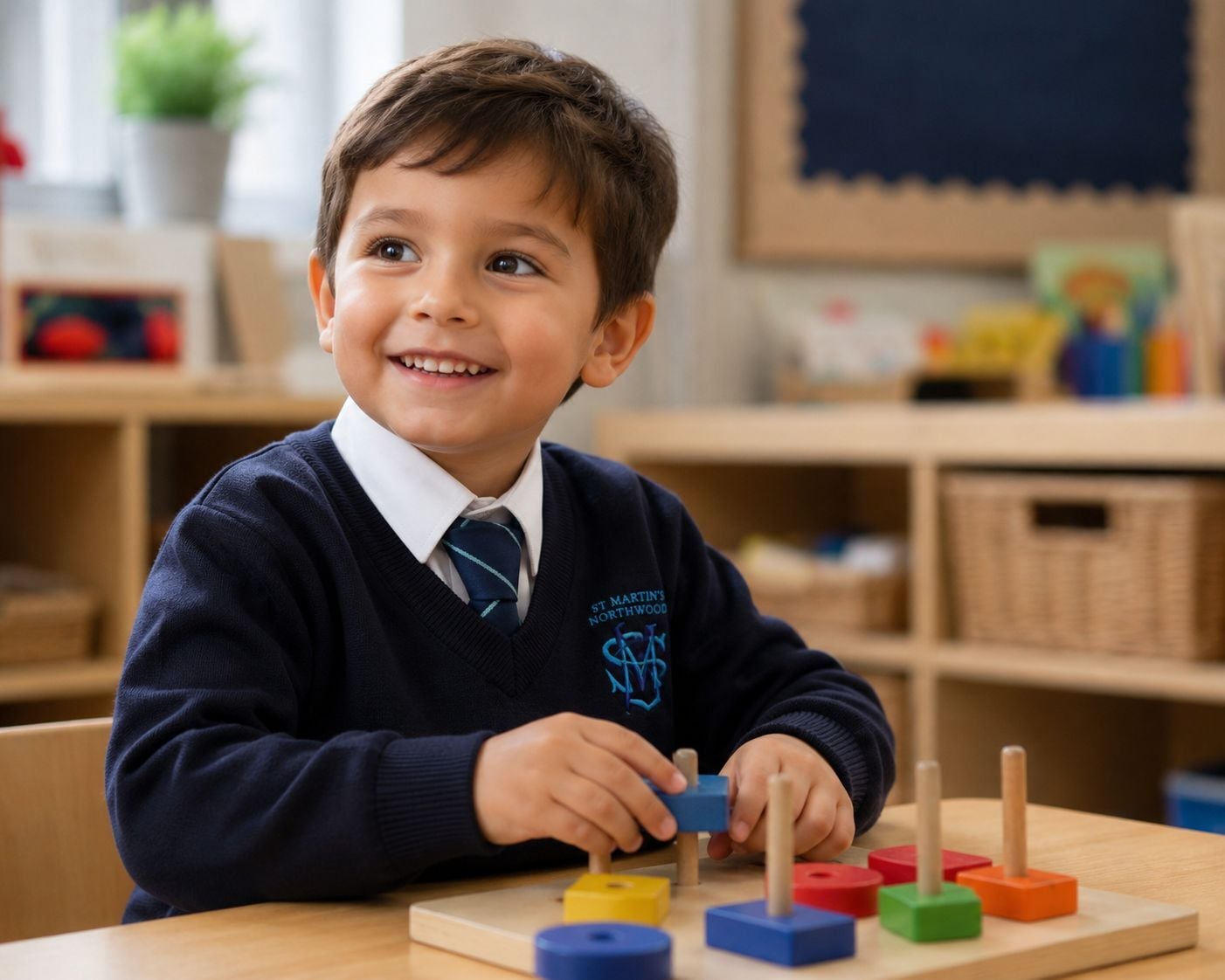
Why Having a School Uniform Is Important: Enhancing Equity and Focus
Published on: 23 September 2024
School uniforms have been a part of educational systems in various forms over the years. They play an important role in shaping the environment and culture within schools.
Uniforms encourage equality among pupils, reducing potential distractions caused by varied attire. By wearing the same outfit, students can focus more on their education and less on social pressures related to fashion.
The concept of school uniforms supports an increased sense of belonging and pride among students. When everyone wears the same clothing, it fosters a community spirit, helping each pupil feel part of something bigger.

When choosing a uniform policy, schools consider how it aligns with their values and student needs. The right approach can make uniforms an asset in promoting discipline and school pride, ensuring everyone has a level playing field while maintaining their focus on learning.
Key takeaways
- Uniforms promote equality by reducing clothing-related distractions.
- Wearing uniforms fosters a sense of community and belonging.
- Thoughtful uniform policies enhance school culture and discipline.
Historical context and evolution of school uniforms
School uniforms have a rich history, evolving from traditional attire to contemporary outfits. Their origins were deeply linked to socioeconomic factors, highlighting disparities in wealth and class.
Over time, uniforms have transformed from purely functional clothing to statements of identity and style.
Origins and socioeconomic considerations
The concept of school uniforms dates back to the 16th century. Some schools’ earliest school uniforms were provided by generous local donors to pupils who were experiencing poverty and financial hardship.
Uniforms initially aimed to level the playing field by reducing noticeable differences in clothing choice among students from varied financial backgrounds. They helped reduce the appearance of socioeconomic disparities.
By requiring specific clothing items, schools created an environment where attire didn’t separate rich from poor, which was especially important in times when class distinctions were stark.
In those days, the idea of school uniforms was not just about presenting a neat appearance but also about fostering harmony. Uniforms served as a means of ensuring all students, regardless of their economic status, appeared similar, thereby emphasising discipline and unity.
From functional attire to fashion statements
Modern school uniform styles have greatly evolved. Initially designed for practicality and modesty, they have shifted towards fashion and self-expression. Uniforms today blend traditional aspects with modern trends, adapting to changes in modern life while maintaining core values of discipline and identity.
While in the past, uniforms were simply clothing items to ensure uniformity, today they carry an element of style. Schools often engage with students to update uniform designs, making them more appealing and relevant.
This shift also helps in bridging gaps between functional attire and fashionable choices, as students find ways to personalise their uniforms within guidelines.

Levelling the playing field and reducing distractions
School uniforms play a significant role in creating a level playing field for students. They help minimise distractions, allowing pupils to focus better on their studies.
Uniforms as equalisers in educational settings
Uniforms can act as an equaliser among students by reducing visible signs of economic disparities. When everyone wears the same attire, it becomes less clear who comes from a wealthier or poorer background.
This can lessen peer pressure related to clothing and help students from low-income families feel less isolated.
Wearing a uniform ensures that no student stands out inappropriately and contributes to a sense of community. This community feeling can boost academic achievement as it shifts focus from external appearances to internal qualities and skills.
Encouraging equality in this way helps pupils from different economic backgrounds feel more included and valued.
Minimising disruptions and maximising focus
Uniforms significantly reduce distraction during school time. Students might spend less time worrying about what to wear and more time preparing for class.
This can help create a conducive learning environment as pupils are better able to focus on valuable class time rather than fashion trends or competition.
A lack of uniform can sometimes lead to fashion-related disruptions, taking away from teaching time. Uniforms simplify morning routines and lessen the possible financial burden on families who might otherwise have to buy varied outfits.
By keeping attention on learning and reducing distractions, uniforms can contribute positively to students’ educational experiences.

Fostering a sense of community within schools
School uniforms play a role in creating a sense of community and unity among pupils. By wearing the same attire, students often feel more connected and engaged with their school environment. These benefits extend beyond the classroom to events and activities that reinforce school spirit and pride.
Cultivating identity and pride through uniforms
Wearing a uniform encourages a shared identity among students. This connection builds a sense of unity and school spirit. When everyone dresses alike, individual disparities fade and the focus shifts to shared goals and achievements.
This can foster a sense of pride in being part of a collective.
In both public schools and private schools, uniforms promote community spirit. Having a common dress code makes students feel included and valued, enhancing their overall academic preparedness and progress at school. The uniform becomes a symbol of belonging, representing the values and ethos of the school community.
Uniforms outside the classroom: events and activities
Uniforms play an important role in school events, such as field trips, sports days, and competitions. They signify a sense of belonging and help cultivate school pride.
When participating in external activities, students represent the school with a unified appearance. This is crucial in maintaining discipline and focus during such events.
Having a uniform also affects how students engage in school activities after the school day. Wearing the same clothing builds community spirit, reminding students that they are part of a larger group with shared interests and goals. This nurtures a strong sense of community within the school.
How school uniform policies are created
School uniform policies balance maintaining a respectful dress code with catering to the needs of diverse student backgrounds. Thoughtful planning ensures that students feel included and that families are supported, especially those from low-income backgrounds.
Balancing uniform rules with student needs
Uniform policies should consider students’ diverse needs and promote equality.
Ensuring that regulations address the varying physical, religious and cultural requirements of the student body is crucial. For example, allowing modest variations or the addition of religious items of clothing for students of faith accommodates freedom of religion.
Additionally, including options suitable for gender-diverse students or those with physical disabilities demonstrates inclusivity towards the entire student community. Policies should not create a barrier to education by being too strict.
Clothing choices can affect students’ confidence. Therefore, ensuring options that fit different body types and cultural preferences is important. This creates a welcoming environment and helps reduce stress related to appearance.
Schools might also consult with students and parents to gauge comfort levels and adjust dress codes accordingly.

Assisting families and supporting inclusivity
Cost can be a significant issue for poorer students and low-income families. Some schools implement financial assistance programmes to help cover expenses, thus preventing uniforms from becoming a barrier to education.
Working towards keeping the costs of uniforms down ensures that access to education is more equitable. We provide some of our own uniforms at St Martin’s, and we also work with fairly priced online and in-person school outfitters. Find out more about where to get our school uniforms.
Supporting inclusivity goes beyond just financial aspects. Uniform policies should reflect a school’s commitment to embracing diversity.
Creating a playing field where students from all economic backgrounds feel equal and ensuring that dress codes do not hinder freedom of expression is key. Schools can make it easier for families by offering second-hand uniform sales or exchanges, promoting sustainability and community support.
Frequently asked questions
School uniforms offer numerous benefits to students by fostering unity, enhancing focus and promoting equality. Understanding how uniforms contribute to the school environment can help in appreciating their importance.
What are the key advantages of students wearing uniforms to school?
Uniforms can create a sense of cohesion among students. When everyone dresses alike, it reduces pressure related to fashion choices and helps pupils focus more on their studies rather than their attire.
How can school uniforms contribute to a better educational environment?
Uniforms can help reduce distractions in the classroom by establishing a clear distinction between school and leisure time. This consistent routine can aid students in maintaining concentration on their studies during school hours.
In what ways does a school uniform policy benefit pupil discipline and focus?
Wearing uniforms can improve student discipline by promoting good behaviour and reducing conflict. The uniformity can help streamline morning routines, making it easier for students to arrive on time and concentrate on their work.
What role do school uniforms play in promoting equality among students?
School uniforms can promote equality by minimising visible economic differences between students. When pupils wear the same clothes, it’s harder to distinguish between different social and economic backgrounds, fostering a more inclusive atmosphere.
How might wearing school uniforms impact the safety of students?
Uniforms can enhance safety by making it easier to identify students, both within the school and on excursions. Easily recognisable attire helps staff and others spot unauthorised visitors quickly and ensures students remain easily visible when outside school grounds.

Can the implementation of school uniforms improve academic performance?
Some argue that uniforms can positively impact academic performance by reducing distractions and fostering a professional school atmosphere.
By wearing uniforms, students may feel more respect for their educational environment, which can encourage them to engage more actively in their studies.