What Does a Typical Day at a Boys’ Prep School Look Like?
Published on: 21 September 2026
Every stage of school brings opportunities to grow. Here is what families can look for, and how to support boys along the way.
A school day is more than a timetable
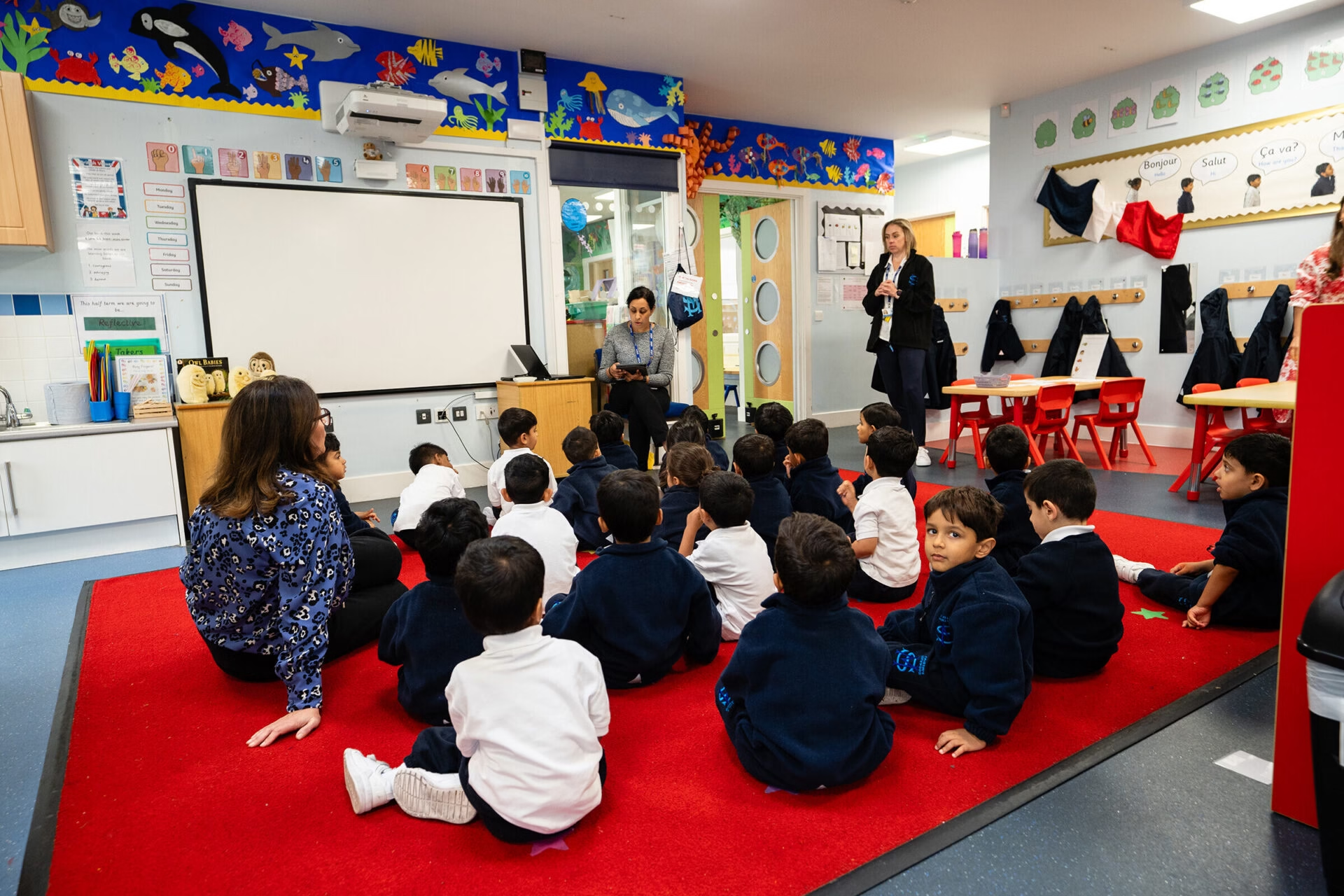
When parents consider a prep school, they often want to picture the ordinary moments as well as the headline opportunities. What happens when a child arrives? How do lessons change as he grows? Where does he find time to play, make friends and pursue an interest? Every school organises its day differently, but looking at the rhythm of learning can reveal a great deal about its priorities.
Starting the morning with a sense of belonging
The beginning of the day helps children move from home to school. Familiar routines, a welcoming adult and time to settle can make a difference, particularly for younger pupils. Parents may want to understand how teachers notice when a boy is unsettled, how information is shared with home and how children are helped to feel part of their class.
A balance of core learning and wider subjects
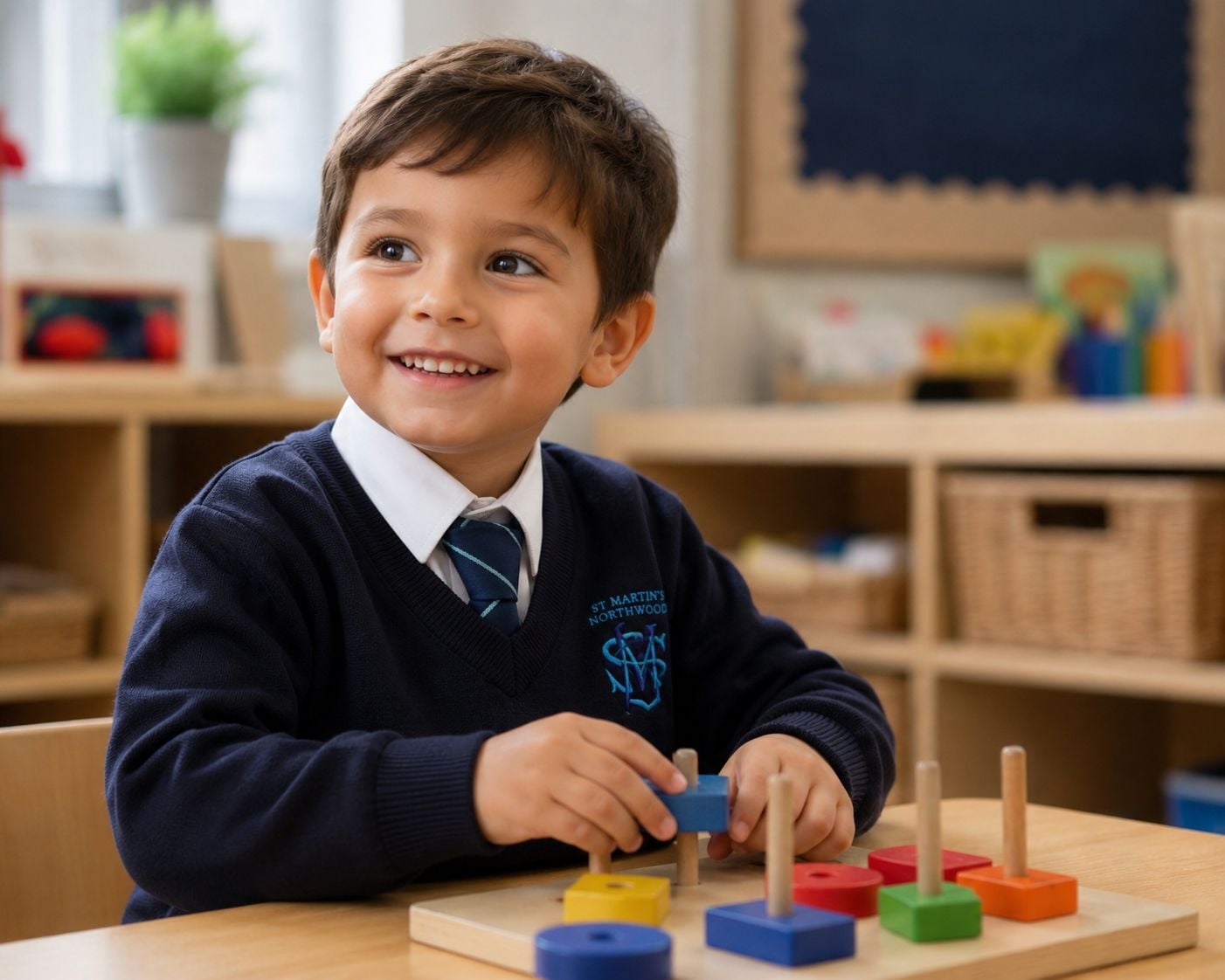
English and mathematics form important foundations, but a broad prep education also creates space for science, languages, humanities, creative subjects and physical activity. As pupils progress, lessons may involve different teachers, rooms or specialist facilities. What matters is how these experiences connect: an interesting science question can call on reading, reasoning, teamwork and communication all at once.
Why breaks and transitions matter
Playtime, lunch and moving between activities are part of school life, not simply gaps between lessons. Children practise friendships, manage minor disagreements and learn to organise themselves. For some boys, these unstructured moments are where confidence grows most visibly. A thoughtful school day provides both the freedom to explore and appropriate adult guidance.
Finding an interest beyond the classroom
Music, sport, drama, clubs and outdoor experiences can give pupils different ways to participate and succeed. Not every boy will shine in the same setting. Access to varied opportunities helps children discover what they enjoy, learn to work with others and become comfortable trying something new. Parents can ask how pupils are encouraged to join in, including when they are beginners.
How the day changes as boys grow
A Nursery child’s day will look different from that of a boy approaching senior school. Over time, routines can offer more independence, more complex learning and greater responsibility. When comparing schools, ask to see how that progression works in practice rather than relying on a single snapshot of the timetable.
What should parents ask about the daily routine?
A useful question is not simply when lessons begin, but how children move through the day. How are younger pupils welcomed in the morning? What happens if a boy needs extra help settling after a break? When do children have opportunities to move, play and talk with friends? Families may also want to understand how homework, clubs and collection arrangements work for different age groups. A timetable gives structure, but the way adults support transitions often tells you just as much about daily school life.
The importance of moments between lessons
Some of the most valuable learning happens in the spaces between formal teaching. A conversation at lunch can develop social confidence; organising belongings before the next lesson can encourage independence; a game at breaktime can offer practice in taking turns, negotiating rules and recovering from disappointment. These moments should not be treated as interruptions to education. They are part of how children learn to participate in a community. When visiting a school, notice how staff speak with pupils during these everyday interactions.
Frequently asked questions
Do prep school days include time for play? Breaks and opportunities to socialise are important, although routines vary by school and age group.
Are specialist lessons part of every day? Timetables differ, so ask which subjects are taught by specialists and at what stage.
How can I understand my son’s likely day at St Martin’s? Request the current timetable and visit the school to discuss the routines relevant to his year group.
Discover everyday life at St Martin’s
St Martin’s School in Northwood offers families the chance to explore the school experience through its published information and visits. A conversation with the team can help you understand the current daily routine for your son’s age group, the balance of subjects and the opportunities available beyond lessons. Seeing the school in action is often the best way to imagine how your child might thrive here.
Better Prepared for senior school. Better Prepared for life.