What Are Extracurricular Activities? A Guide For Parents
Published on: 11 November 2024
Extracurricular activities help shape your child’s educational experiences, extending beyond the traditional academic curriculum. They offer opportunities for personal development, helping pupils acquire life skills such as leadership, teamwork and time management. These activities can include sports, music, theatre and art, allowing pupils to explore new interests and talents.
Engaging in extracurricular activities can boost your child’s future prospects, including university admissions and career opportunities. Many higher education institutions consider students’ involvement in these activities as a testament to their commitment, passion and diverse skill set. They can strengthen university applications and make your child stand out among other candidates.
Participating in co-curricular activities also promotes a sense of community and belonging. It connects your child with peers who share similar interests, enhancing their social skills and networks. This aspect of personal and social growth is invaluable, providing a well-rounded foundation for future success.
Defining extracurricular activities
Extracurricular activities enrich the educational experience by offering opportunities beyond the standard curriculum. They are diverse and can include school-led groups, sports clubs and arts activities, each contributing uniquely to personal and academic growth.
Wide variety of activities
Extracurricular activities cover a broad range of activities. School clubs offer spaces for shared interests, from academic clubs focusing on subjects like maths or science to creative groups such as art and drama clubs.
Sports teams help in developing teamwork skills and discipline. Learning an instrument or joining a musical band, meanwhile, can enhance pupils’ musical skills, creativity and teamwork. These activities are diverse, allowing pupils to explore various interests.
Significance in student life
Participating in extracurricular activities plays a pivotal role in student life. They enhance the development of interpersonal skills, including leadership and communication. Joining a sports team or drama club promotes confidence and teamwork.
These activities also encourage networking with peers who share similar interests. Pupils gain experiences that contribute to their personal and professional development, making them well-rounded individuals. In essence, extracurriculars act as a vital component of school life, offering growth and enrichment beyond the classroom.
The role of extracurriculars in college and university admissions
Universities and colleges will evaluate extracurricular activities to understand students’ real-world skills. They provide insights into a student’s passions and commitment, and often reveal leadership and communication abilities that can set an application apart.
Evaluating student engagement
University and college admissions officers look for evidence of genuine engagement in extracurriculars. They assess how active a student has been across their high school years. Consistent involvement shows dedication, while exploring different activities highlights a willingness to try new things.
Being part of clubs or sports demonstrates regular participation. These activities reveal much about your child’s interests and reflect how they engage with their surroundings effectively.
Skills assessment beyond academics
Extracurriculars provide a platform to showcase skills beyond grades. Leadership roles in clubs or teams highlight pupils’ ability to manage and motivate others. These experiences can illustrate problem-solving skills that are beneficial in both academic and professional settings.
Extracurricular activities also help build communication skills. Whether it’s debating in a school club or coordinating a team event, effective communication is involved. These skills strengthen pupils’ application, making them stand out.
The impact on university and college applications
The role of extracurricular activities on university and college applications can be pivotal. Admissions officers often look for unique qualities that distinguish your child from other applicants. Demonstrating leadership in a club or taking the initiative in volunteering opportunities can significantly impact their application.
Colleges appreciate students who balance academics with interests outside the classroom. Demonstrating these activities and any relevant accomplishments can make a strong case to admissions officers about your potential.
Skill development through extracurriculars
Extracurricular activities provide valuable opportunities for students to develop a wide range of skills. They help students build leadership qualities, improve their time management and boost critical thinking abilities. These traits are essential for success in both academic and everyday life.
Leadership and teamwork
Participating in extracurricular activities often involves working in groups, such as sports teams or debate clubs. These environments require pupils to step up and take on leadership roles. Being in charge of tasks or events with peers helps grow their leadership skills as they learn to communicate effectively and motivate others.
Working as part of a team also develops social skills. Pupils learn the importance of cooperation and managing group dynamics. This experience teaches them how to handle conflicts, compromise and collaborate towards common goals. These skills are vital for future career success and personal relationships.
Time management and organisation
Extracurriculars teach students how to balance multiple demands on their time. Juggling studies, activities and possibly a part-time job makes time management a non-negotiable skill. Pupils learn to prioritise tasks and manage their schedule effectively – an essential life skill that helps in reducing stress and increasing productivity.
Participating in diverse activities also requires organisational skills. Planning events, meetings or projects develops a sense of order and structure. These skills are valuable in both personal routines and future professional settings. Good organisation helps ensure that students can meet goals and fulfil their responsibilities.
Creative and critical thinking
Extracurricular activities such as performing arts or science clubs push pupils to think outside the box. These activities encourage creative problem-solving and exploring new ideas. Engaging in such pursuits sharpens their ability to approach challenges.
Critical thinking is also enhanced through these activities. Pupils learn to analyse situations, assess information and make informed decisions. Whether it’s evaluating a play’s script or devising a new strategy in chess club, these experiences refine their thinking abilities. They prepare your child for complex problem-solving needed in higher education and careers.
Extracurricular activities and their impact on career prospects
Participating in extracurricular activities can significantly boost future career prospects by enhancing workplace skills, building a professional network and improving your child’s CV with practical experience. These benefits can make them more attractive to potential employers in the future.
Workplace skills acquisition
Extracurricular activities are excellent for developing professional skills. For example, joining a debate club can improve public speaking and critical thinking abilities. Participating in team sports helps pupils become team players, which is a valuable skill in many work environments. These activities also provide an opportunity for pupils to hone soft skills like communication, leadership and time management, which are highly regarded in part-time jobs and full-time careers alike.
Networking and relationship building
Engaging in extracurriculars allows pupils to connect with others who share similar interests. This builds their professional network, offering chances to develop relationships that might help in their career. Building these connections is essential for accessing hidden job markets and enhancing future career opportunities.
Experience and resume building
Extracurricular experiences show potential employers that pupils take your development seriously. Participating in a drama club, for instance, could highlight their ability to manage projects and work under pressure. Such practical experience distinguishes students from others in the job market by showcasing their proactive approach and ability to apply valuable skills in real-world situations.
Extracurricular activities at St Martin’s
We have an extensive extracurricular programme at St Martin’s that covers everything from our after-school clubs to educational visits and holiday camps.
Educational focuses
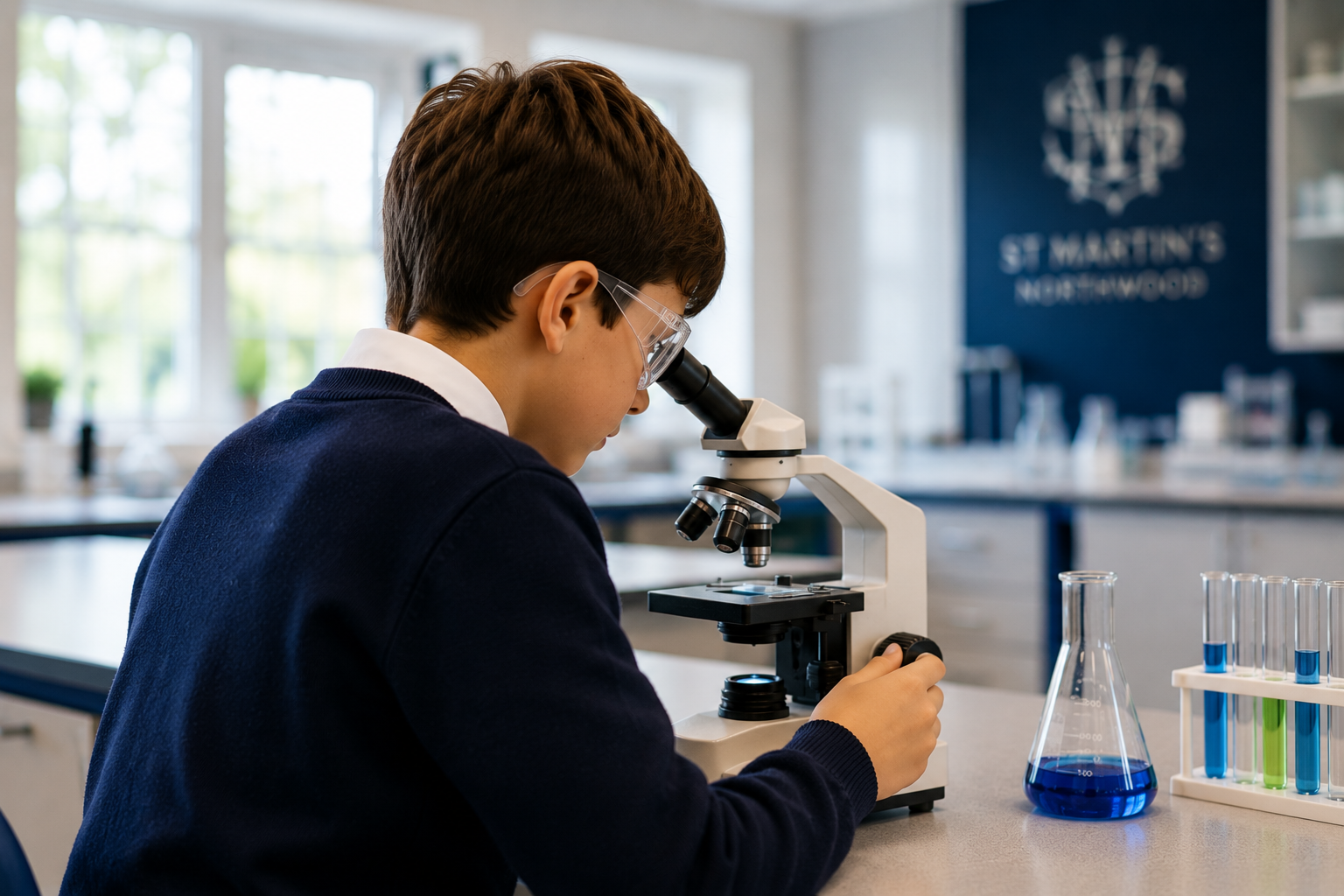
As an independent school, we aren’t bound by the national curriculum. This gives us the freedom to create our own focuses within our educational programme. As well as core academic subjects including maths, English, science and technology, we have a range of subjects that we can put more of an emphasis on than standard public schools.
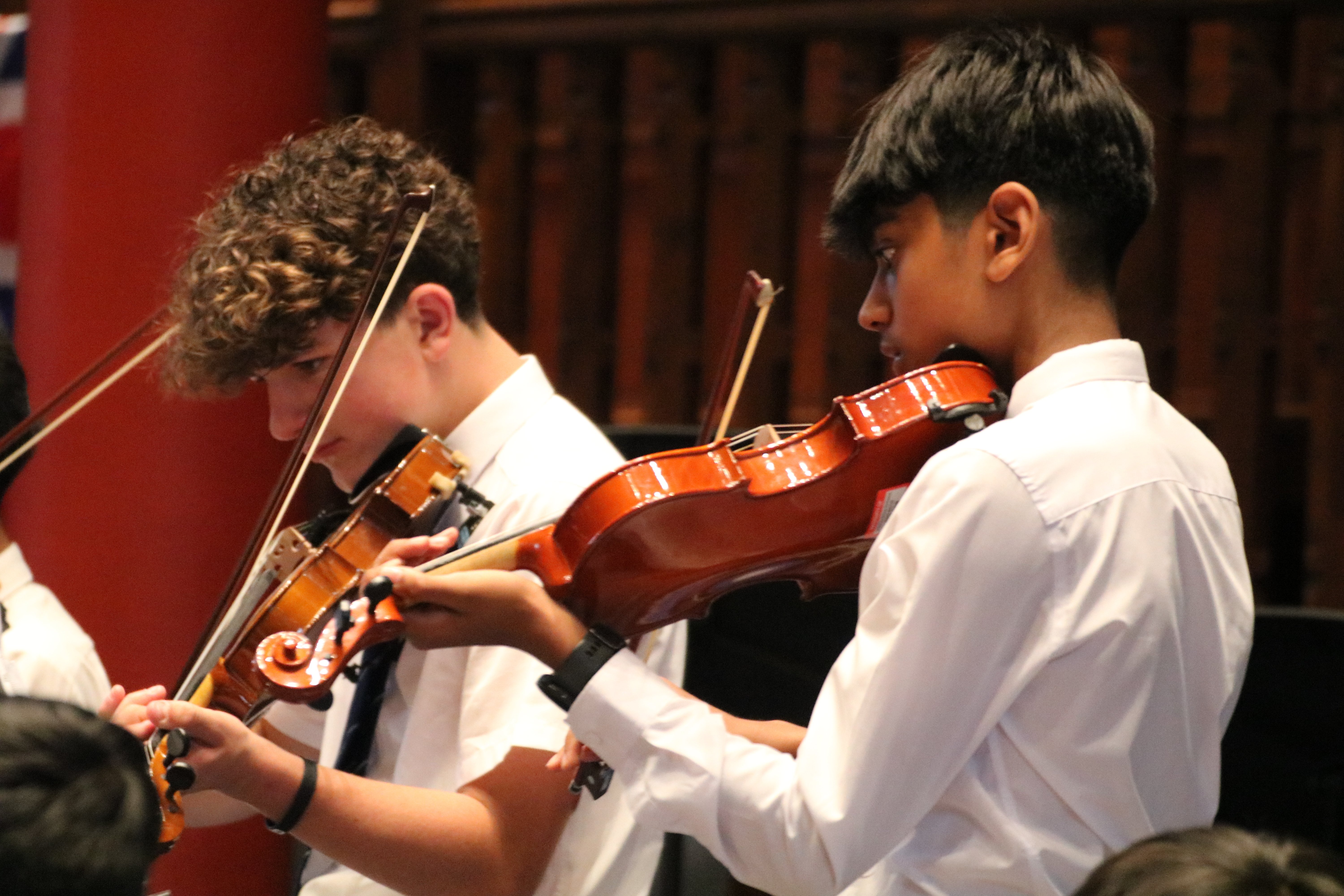
One such area is music. This plays a central role in our educational offering thanks to the rich benefits it offers our pupils. Not only does music allow many students to explore an area they’re passionate about, but it dramatically enhances their academic performance too. Our music tuition lessons include piano, classical guitar, trombone, euphonium and even voice lessons.
Our additional areas of focus include arts and sports. We teach structured PE and games from nursery age, and our bustling competitive sports calendar kicks in at year 3. Pupils can choose from a generous range of sports, including football, swimming, basketball and badminton.
Educational trips and clubs
We not only offer a comprehensive selection of after-school clubs, but we also dedicated Wednesday afternoons to activities and subjects that sit outside the traditional curriculum. Pupils can take part in water polo, enjoy swimming, learn about fascinating subjects like Greek mythology or become a master of chess.
After school, our pupils are spoilt for choice. They can continue with their musical education through music bands, build life skills with cooking, coding and debating clubs, engage in more physical activities including yoga, dance and Gaelic football, or enjoy our forest school. After-school clubs are run by both school staff and external providers, ensuring your child is learning from the best in the business.
We know that learning doesn’t just take place in the classroom, too. That’s why we have a calendar of exciting educational trips, where pupils can experience the thrill of live theatre, immerse themselves in rich cultures in museums, see how establishments like hospitals run , visit England’s football training ground and more. Older pupils can enjoy residential trips to ski resorts and more overseas destinations.
Frequently asked questions
Extracurricular activities help develop a range of skills in students. They enhance academic growth, social skills and future career success. Here, we address commonly asked questions on extracurricular activities.
How do extracurricular activities contribute to student development?
Extracurricular activities help students develop essential skills such as leadership, teamwork and time management. By participating in various activities, pupils can build self-confidence and discover new interests, broadening their personal and educational experiences.
What are the benefits of integrating enrichment activities into the school curriculum?
Including enrichment activities in school curricula offers students opportunities to explore a variety of interests outside of traditional academics. These activities enhance learning by catering to different learning styles and providing hands-on experiences that can inspire and motivate pupils to achieve more.
In what ways do extracurricular activities impact primary school children?
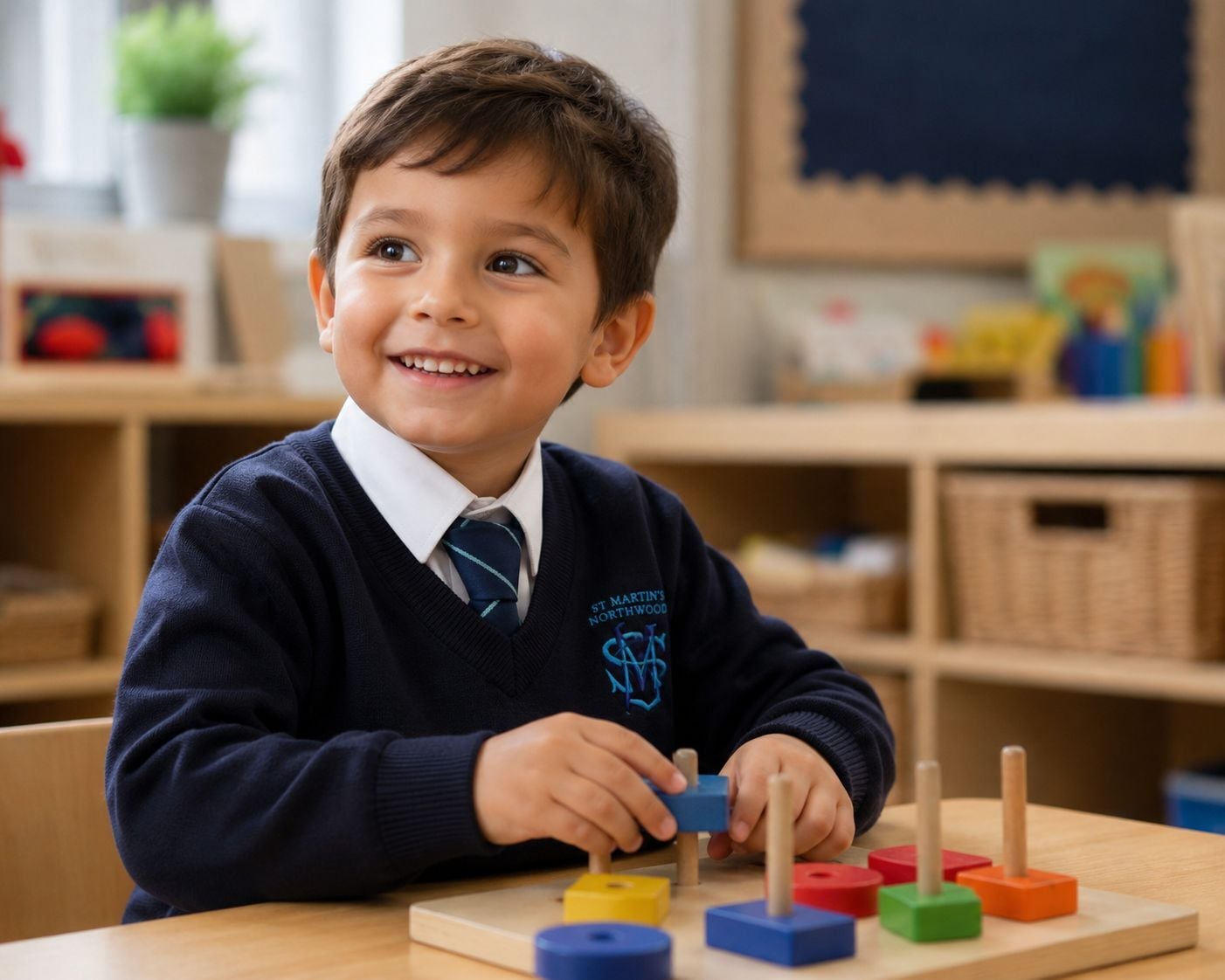
For primary school children, extracurricular activities are instrumental in cognitive and social development. By engaging in sports, art or music, young children enhance their motor skills, improve concentration and learn the importance of collaboration and communication with peers.
How do enrichment and extracurricular programmes influence future academic and career successes?
Participation in enrichment and extracurricular programmes can lead to future academic success and career opportunities. These activities help students develop a strong work ethic, improve problem-solving abilities and build a network of connections that can be valuable in future educational and professional pursuits.
Can extracurricular activities affect the social skills of students?
Engaging in extracurricular activities can significantly enhance your child’s social skills. Through these experiences, they can learn how to communicate effectively, work well in teams and develop empathy and understanding towards others, all of which are crucial for personal and professional relationships.