The Ultimate Back to School Checklist
Published on: 7 July 2025
Getting ready for the new school year can be a busy time, especially as the school holidays end and routines change. It’s easy to forget something important, but a clear back to school checklist helps you prepare and ensures your child is ready for their first day back.
Knowing exactly what to pack avoids last-minute stress and helps your child feel prepared and organised. Items like labelled school clothing, PE kits, school bags and essential stationery are key for every pupil.
Making sure everything is ready means you can focus more on helping your child adjust after the school holidays. Whether your child is starting a new year or joining a new school, you’ll find peace of mind by ticking off each item from your checklist.
Essential back to school supplies
Getting ready for a new school year means making sure your child has the right items for a smooth start. Focus on practical school supplies, the right bag, correct clothing, sturdy shoes, and other important essentials.
1. School bag
A strong, well-sized school bag makes it easier for your child to carry all their essentials. Look for padded straps and plenty of compartments with easy-access pockets. These compartments are not only great for storing the essentials, but additional items your child will need occasionally like the school calendar, important letters and permission slips.
2. Uniform
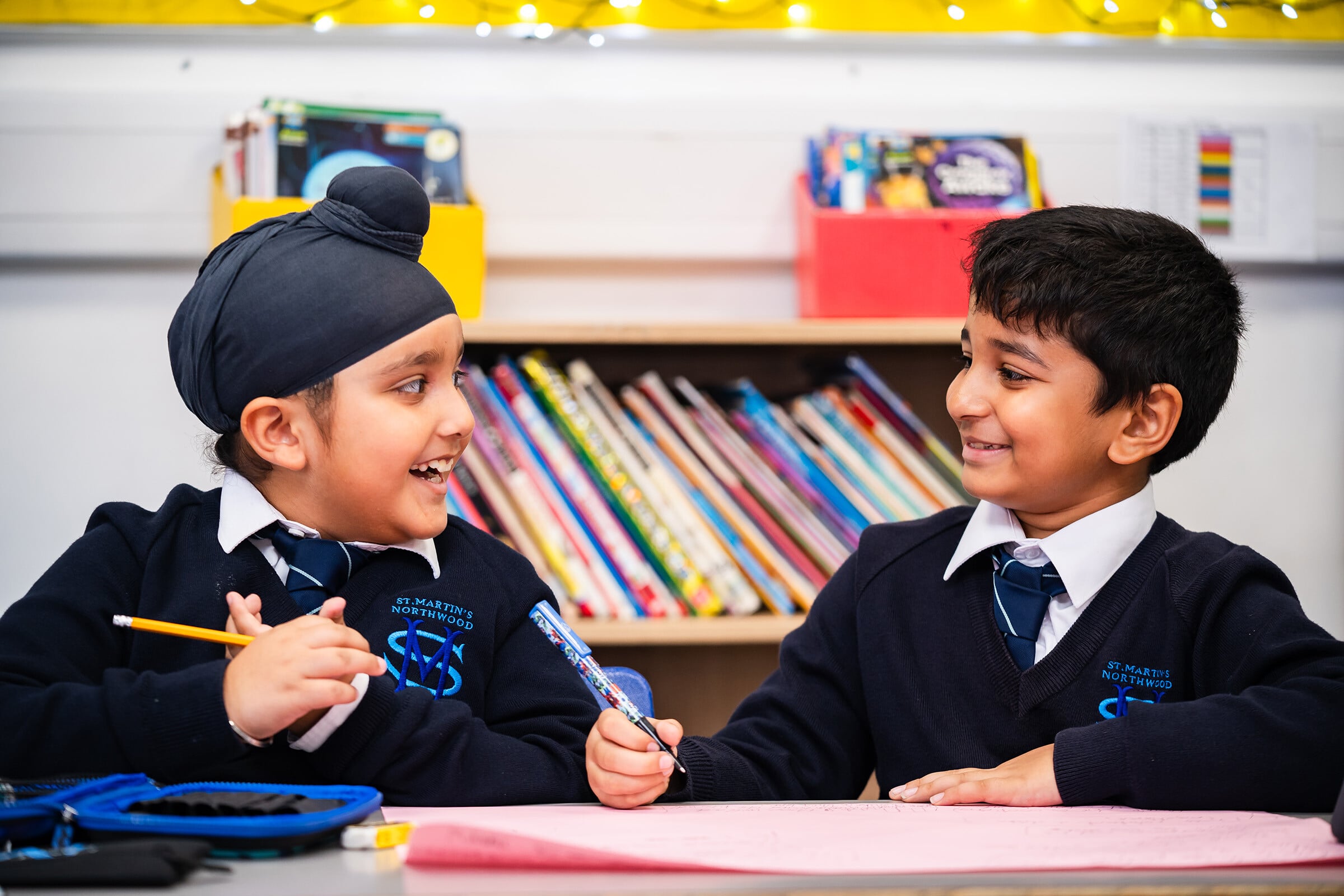
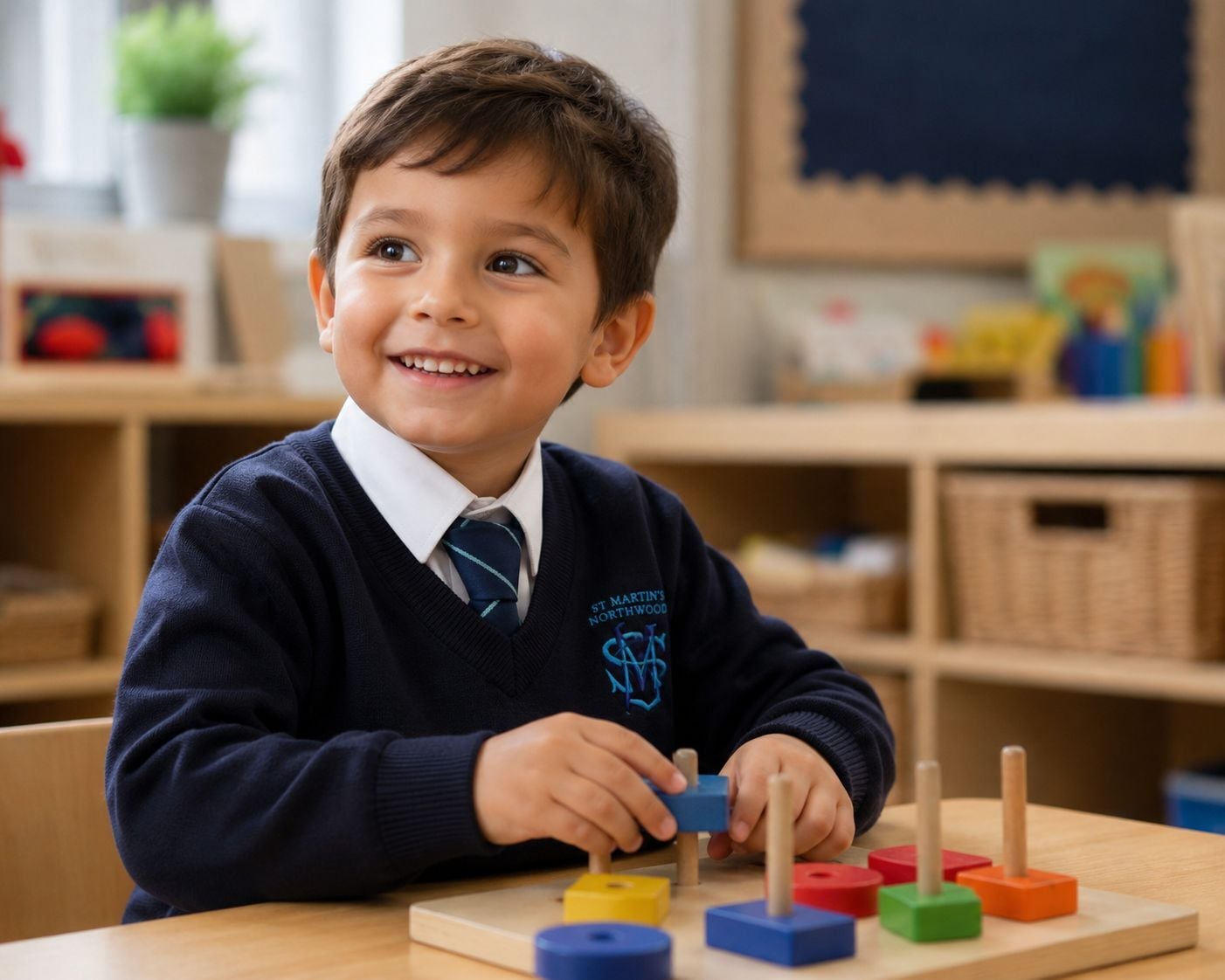
Buy the correct school uniform following the latest school policies — our uniform list tells you what you need and where you can buy it.
Uniform lists will usually include:
- a jumper and/or blazer with the school logo
- official shirt or polo
- trousers, skirts or dresses in the recognised school colours
- school shoes
- trainers for PE
- PE kit, usually a top and shorts
- winter clothing
- outdoor clothing.
3. Stationery
Check the school’s official school supplies checklist for any unique requirements.
The essential stationery your child will need includes:
- pencils
- blue and black pens
- a ruler
- a sharpener
- an eraser
- highlighters
- notebooks, if not supplied by your school
- geometry set with a protractor and compass
- calculator
- a pencil case to keep everything organised.
4. Food and drink supplies
Schools, and especially independent schools, will provide a nutritious and balanced lunch menu for your child. However, if you prefer to make a packed lunch, you’ll need the following:
- a sturdy, easy-to-clean lunchbox (ideally with multiple compartments)
- a reusable leak-proof water bottle
- healthy snacks, such as fruit, vegetable sticks or nuts
- a healthy dessert, such as yoghurt.
Even if you don’t make your child a packed lunch, it’s useful to equip them with a refillable water bottle so they can stay hydrated throughout the day. Learn more about nutrition at school.
Bonus tips on preparing for a successful school year
Getting organised is key if you want your child to start the school year with confidence. Prioritising routines, checking important dates and keeping learning alive during summer will make the first weeks back much smoother.
Establishing a back to school routine
A well-structured routine helps children adjust quickly after relaxing summer holidays. Begin moving bedtime and wake-up times closer to school hours at least a week before term begins. This gives your child time to get used to waking up earlier after long summer lie-ins.
Make a simple morning checklist to keep essentials, like breakfast, brushing teeth and packing their bag, on track. Label all classroom supplies, including stationery, PE kits and uniforms, to prevent items getting lost.
Reviewing school term dates and calendar
Knowing your school’s term dates ensures you never miss key deadlines. Check your child’s school website or parent portal for the updated school term dates and calendar. Download or print them for handy reference.
Include all holidays, half-terms and special events like parents’ evening or sports day. Mark dates when you need to buy or update classroom essentials such as uniforms, bags, shoes and supplies.
If your child is moving up from prep school to secondary or high school, be aware that transition dates and induction days may be different from primary school. Note any extra sessions for classroom jobs or collection of resources and ensure everything is prepared ahead of time.
Engaging in summer learning activities
Learning loss over the summer, often called the summer slide, can affect your child’s progress, especially in maths and reading. Use fun activities to keep their skills fresh. Short daily reading, simple maths games and visiting the library help your child stay sharp.
Involve your child in practical life skills, such as reading recipes or writing shopping lists. Use educational websites or printable worksheets for revision, especially as the new term approaches.
Frequently asked questions
Preparing your child for school means getting the right supplies and understanding what they might need day-to-day. Each stage, from early years to secondary, has different requirements, including uniform, stationery and items for personal care.
What essential items should be included in a primary school starter kit?
Your child will need a full school uniform, a comfortable pair of shoes and a coat. Include a water bottle and a backpack that fits everything easily.
You’ll also need a pencil case with basic stationery such as pens, pencils, erasers, a sharpener and colouring pens. Make sure to add a labelled PE kit and a book bag for homework or notes that travel between school and home.
How can I ensure my child is prepared for the transition to secondary school or high school?
Double check your child has the complete uniform, including any special items needed by the school like a blazer or tie. Buy a sturdy backpack and any required sports kits.
Review the school’s individual policies for stationery so nothing important is missed. Practice the new journey to school, and help your child get used to the new routine and timetable in advance.
Which stationery items are must-haves for a back to school supplies list?
Essential stationery includes pencils, pens (blue and black), erasers, a ruler and pencil sharpener. For older children, add a scientific calculator, highlighters, geometry set and notebooks, if not provided by the school.
Sticky notes, folders for organising papers and a diary for homework are also helpful. Ensure everything is labelled so it doesn’t get lost.
What are the key components of a school readiness checklist for the early years foundation stage?
You need spare clothes, a named water bottle and additional clothing that are outdoor and weather-appropriate, like wellies, raincoats and summer hats. Include a book bag for sharing reading materials and letters with home, and a packed lunch if not having school dinners.
Make sure all personal items are labelled. Children this age may also need a comfort item, like a small soft toy.
What specific things should a girl consider bringing to school for personal needs?
Older girls should carry sanitary products such as pads or tampons, packed neatly in a small pouch. Include spare underwear and tissues just in case.
Hair ties, a compact hairbrush and discreet deodorant may also make girls feel more comfortable at school. If allowed, a small hand sanitiser and a lip balm can also be helpful during the day.