The Types of Play in Child Development: Enhancing Learning Through Play
Published on: 17 March 2025
Play is not just about fun and games; it is an essential part of a child’s growth. Through various types of play, children gain vital skills that impact their social, emotional and cognitive development.
Play-based learning encourages creativity and problem-solving, helping children to understand the world around them. Whether it’s imaginative play, physical games or structured activities, each type of play offers unique benefits.
In play-based learning, children set their own goals and solve problems, which builds their confidence and independence. Understanding the different types of play helps you recognise how each one supports different aspects of child development. For instance, creative play nurtures imagination, while cooperative play enhances teamwork skills.
By providing the right materials and environments, both schools and parents can help integrate educational goals in a way that’s enjoyable and meaningful for children. When done effectively, play-based learning becomes a powerful tool in setting a strong foundation for lifelong learning.
Understanding child development through play
Play influences various aspects of a child’s growth. Through different stages of play, children not only enhance their emotional and social skills but also experience essential cognitive and physical development. Play supports brain maturation and further develops important abilities in young children.
Stages of play in childhood
During childhood, play evolves through distinct stages. Infants begin with solitary play, exploring their surroundings independently. As they grow, between 18 months to three years, they engage in parallel play, where they play alongside others but not directly with them. Around age three, children start to participate in associative play. This is when they interact with peers by sharing toys and ideas.
At around four to five years, cooperative play emerges. Children begin to play with one another, adopting roles and following rules within a group setting. These stages reflect their increasing social awareness and cognitive development, essential for emotional and social development.
Role of play in brain maturation
Play stimulates neural connections, particularly in the prefrontal cortex, which is responsible for decision-making and problem-solving. Pretend play and games with rules support executive function skills, like planning and organising. Through interactive play, children learn to process information and develop cognitive abilities.
Physical activities during play also aid in brain development as well as developing fine motor skills by boosting concentration and memory. As children explore and experiment, they develop critical thinking skills, strengthening their cognitive development and laying a foundation for lifelong learning.
Impact on emotional and social skills
Play helps in shaping emotional and social skills. Through different play experiences, children learn to express emotions, understand others’ feelings and build empathy. Group activities encourage cooperation and communication, strengthening social bonds. These interactions help children develop emotional maturity and resilience.
Engaging in play also provides children with opportunities to navigate social situations and resolve conflicts. This builds their confidence and self-esteem, vital components of emotional development. By observing and mimicking others during play, children grasp social norms and cues, aiding their overall socialisation and preparation for future interactions.
Different types of play and their benefits
Different types of play impact child development in different ways. Each type builds different skills, aiding in cognitive, physical and emotional growth.
Object play and cognitive expansion
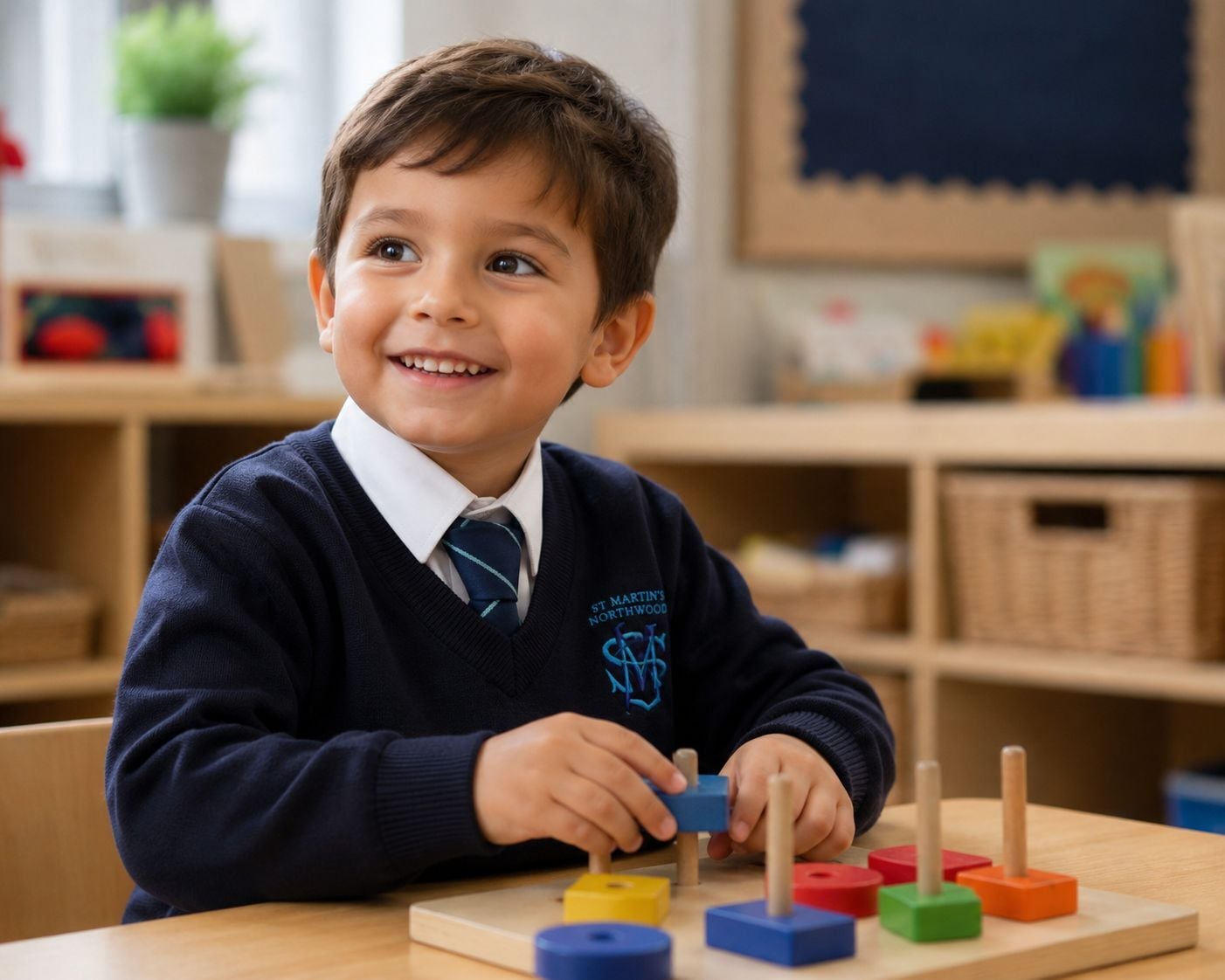
Object play, or manipulation of items, encourages children to explore their surroundings. Playing with blocks, puzzles or other tangible objects enhances problem-solving skills. Experimenting with these materials can lead to improved cognitive skills as children learn how to interact with the world around them while building fine motor skills and hand-eye coordination.
Additionally, interacting with various textures and shapes refines sensory skills. Object play not only boosts individual cognition but also lays a foundation for later academic abilities, preparing children for future learning.
Physical play and motor development
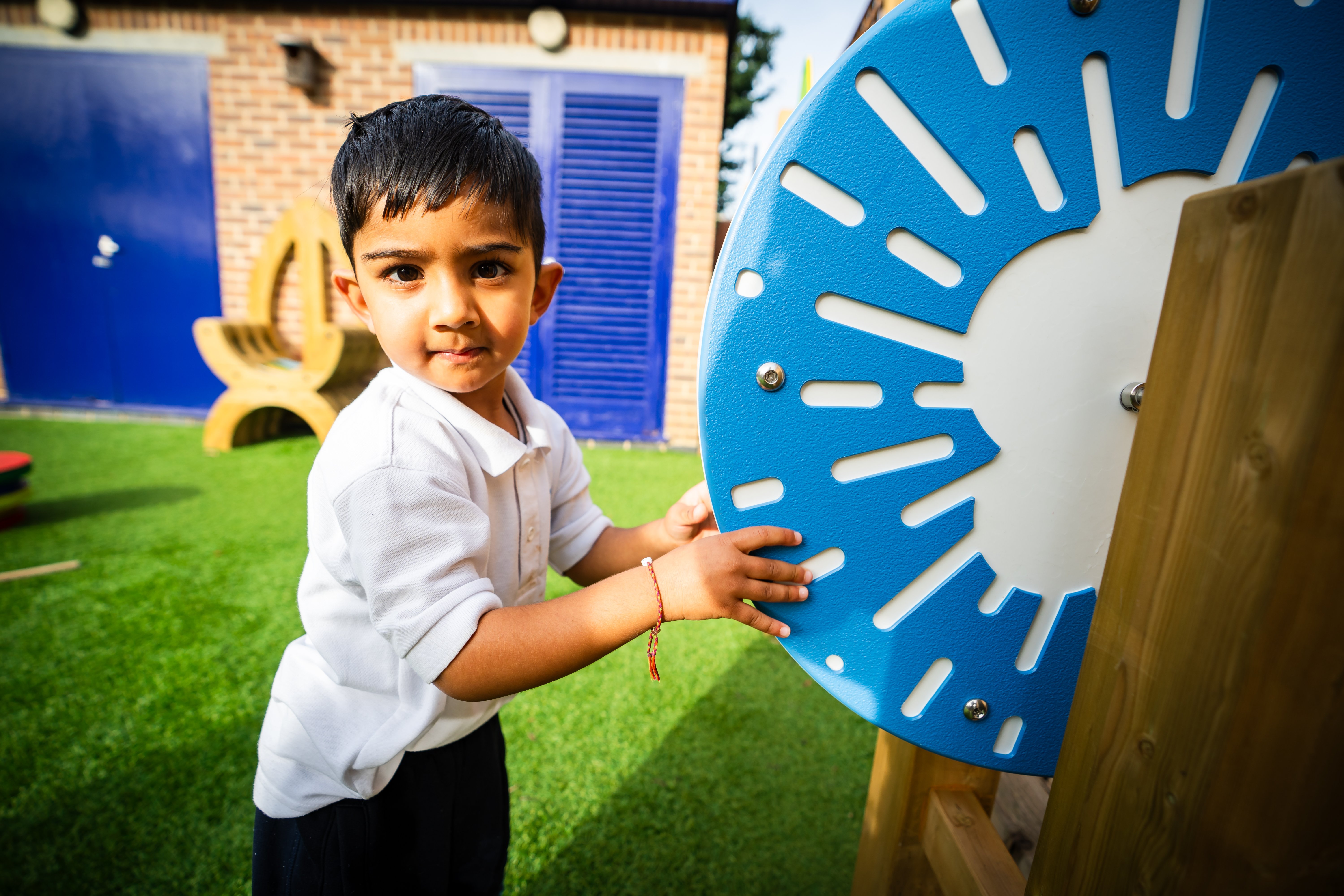
Physical play involves activities that get children moving, such as running, jumping or climbing. These actions are fundamental for developing gross motor skills, which are essential for overall physical skills. Engaging in this form of play builds strength, coordination and flexibility, which are vital for a child’s growth.
Moreover, physical play contributes to social skills as it often involves games that require sharing and cooperation. It supports emotional skills by allowing children to express themselves and release energy. Participating in group activities and games with rules can improve communication skills, as children learn to follow instructions and work together in dynamic settings.
Imaginative play and creative growth
Imaginative play, including socio-dramatic play, ignites creativity in children by encouraging them to invent stories and characters. Through role-playing scenarios, children develop language skills as they articulate thoughts and dialogue. This activity supports communication skills by enabling them to express ideas clearly and confidently.
Engaging in imaginative play aids creative and emotional skills as children explore different roles and perspectives, boosting empathy and understanding. Furthermore, it enhances social skills as it often involves group interactions, promoting teamwork skills. By collaborating with peers in make-believe environments, children learn how to negotiate roles and resolve conflicts, highlighting the importance of creative growth in a child’s development.
The role of adults in child’s play
Adults play a crucial role in guiding and supporting a child’s play without overshadowing their natural creativity and curiosity. This section explores different ways adults can support balanced play, encourage without disrupting, and effectively intervene when necessary.
Balancing adult-led and self-directed play
Striking the right balance between adult-led and self-directed play is essential. Adult-led play includes structured activities where you can guide the learning experience. It might involve planning activities like arts and crafts that integrate sensory inputs to enhance development.
In contrast, self-directed play allows children to explore and create freely. This type of play helps them move through different social and evolutionary stages of development. As adults, teachers’ and parents’ role involves setting clear boundaries within a safe environment while giving children the freedom to lead their activities.
Encouraging play without interfering
When it comes to play, encouragement is key without being intrusive. A teacher or parent’s active presence is often enough, giving children confidence to explore new activities.
Speak to children about their play, ask questions and show interest without directing their every move. Observing from a distance can allow kids to experiment with new skills, supporting resilience and independence. The statutory framework for early education encourages these inclusive practices, ensuring that every child can engage according to their interests and abilities.
Essential play materials and environments
Incorporating a variety of play materials and environments into children’s activities enhances their learning and development. It’s important to choose toys that match their age, create engaging play spaces and introduce nature into play for holistic growth.
Selecting age-appropriate toys and tools
Choosing the right toys and tools enhances playtime and development. For younger children, building blocks and simple puzzles build motor skills and problem-solving abilities. Board games for older kids introduce social rules and strategic thinking.
Open-ended materials like clay or play dough encourage creativity and imaginative play. Natural materials, including sand and water, offer sensory experiences. Introducing a mix of everyday objects and real objects helps children connect play with the real world, promoting practical learning.
Creating stimulating play environments
Designing stimulating play environments involves creating spaces that inspire curiosity and exploration. Use both indoor and outdoor spaces for diverse experiences. Indoors, set up areas with building materials and creative pursuits like art project supplies, supporting different types of creativity.
Outdoor play areas promote physical activity and interaction with nature. Ensure these environments are safe and accessible. Include spaces for action songs and combinations of actions, which encourage musical expression and coordination skills. A varied play environment is key in supporting comprehensive development.
The significance of nature in play
Children should be given the opportunity to play in nature. Natural materials in play, such as leaves and stones, enhance sensory learning and appreciation for the environment. Outdoor exploration allows children to engage with their surroundings, promoting physical health and mental wellbeing.
Outdoor spaces are vital for unstructured play, providing freedom to explore and interact with the environment. Encourage activities involving real objects found in nature, such as plant identification, to build awareness and knowledge of the natural world. Nature is an integral part of enriching play experiences, supporting holistic development.
Integrating play with educational goals
Integrating play with educational goals allows children to develop many different skills while engaging in enjoyable activities. This approach supports language development, academic skills and creative skills, offering diverse opportunities for children to thrive.
Curriculum-led play activities
In a curriculum-led approach, educators design play activities that align with specific learning objectives. By incorporating elements of the curriculum into playtime, children can reinforce academic skills in a fun and engaging way. For instance, simple games can introduce early mathematics concepts, such as sorting and counting, or boost language development through storytelling and role-play.
Providing diverse materials and scenarios helps children exercise their executive functions and flexible thinking. Additionally, integrating creative skills into these activities allows for a richer learning experience where children explore and express themselves. Educators balance guided play with opportunities for children to take charge, supporting both structured learning and imaginative exploration.
Play as a medium for learning key skills
Play is a vital medium for acquiring skills. Through games and imaginative play, children enhance language development and learn essential skills such as teamwork, negotiation and problem-solving. These activities encourage children to work with peers, which can strengthen their communication abilities and develop social competencies.
Engaging in pretend play enables children to explore different roles, enhancing their creative skills. Problem-solving games also promote risk assessment skills by encouraging children to evaluate situations and make decisions. By participating in varied forms of play, children broaden their understanding of the world, gaining both cognitive and emotional benefits.
Assessing development through play
Observing children during play offers insight into their development, helping educators assess progress in a natural environment. Through activities, you can evaluate a child’s academic skills, such as recognising shapes or understanding basic concepts. Play also highlights language development and allows observation of social interactions, revealing how children communicate with peers.
Moreover, observing play behaviours helps assess executive functions, including attention, memory and self-control. By identifying strengths and areas for improvement, educators can tailor their approach to support individual needs. Regular assessment through play ensures that all children have the opportunity to develop essential skills within an engaging and supportive environment.
Frequently asked questions
Exploring different types of play can significantly influence a child’s development. Various play activities enhance child education, offering benefits that are integral to early learning settings.
What are the various roles of play in the cognitive development of children?
Play helps children explore new ideas, which enhances their cognitive development. Through activities like puzzles or building blocks, children learn problem-solving and critical thinking skills. They also develop the ability to focus and concentrate over time through engaging in play.
How can different types of play activities enhance early childhood education?
Incorporating play into learning helps children develop essential skills. For example, role-playing activities can boost communication skills and creativity. Moreover, play-based learning encourages curiosity and exploration, which are vital parts of early childhood education.
Why is it essential to incorporate play in the educational curricula for young children?
Incorporating play in educational curricula encourages a well-rounded development that includes social, emotional and intellectual skills. Play allows children to set their own goals and solve problems, boosting independence and confidence in their abilities.
How do various play activities support the social and emotional growth of children?
Social and emotional skills are nurtured through collaborative play, where children learn to share, negotiate and empathise with others. Activities like group games or storytelling sessions provide opportunities for children to interact positively with peers, building friendships and understanding social norms.