Private School Curriculum: What’s Different and How Your Son Will Benefit
Published on: 19 August 2024
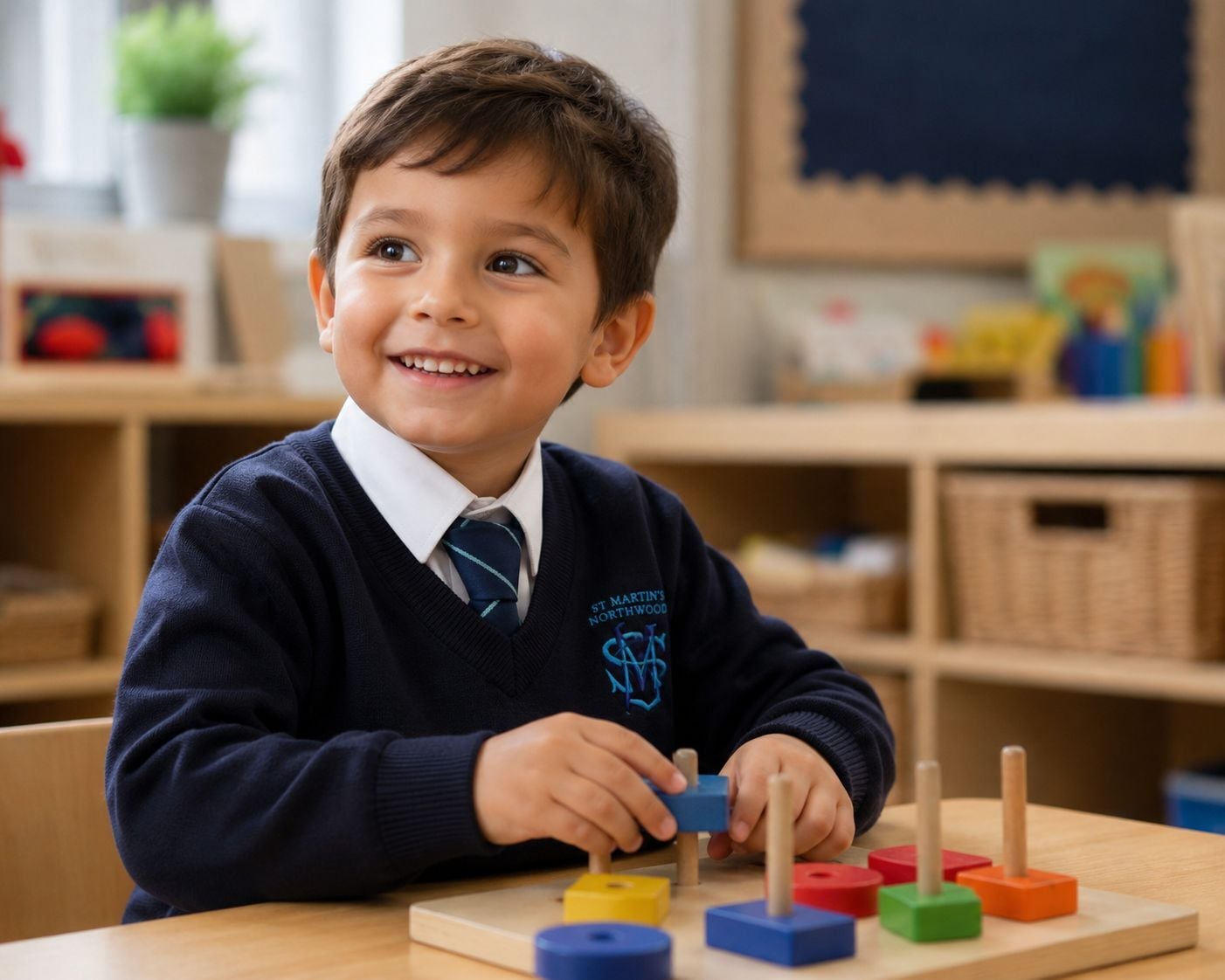
Choosing a private school for your son can offer a unique educational experience compared to public schooling. Private schools often provide a more tailored curriculum, allowing teachers to choose what they think is best for their students. This can lead to a more engaging and enriching educational journey. Additionally, private schools generally have smaller class sizes, meaning your son will likely receive more individual attention and support from teachers.
Your son can benefit from a variety of extracurricular activities that may not be available in public schools. Furthermore, many private schools, including St Martin’s, offer scholarships in academics, sports and music, making it more accessible if financial concerns are an issue.
At St Martin’s, we’re known for our high standards, rigorous inspection processes and commitment to the welfare and success of your son. We have a strong focus on academic and co-curricular excellence and exceed minimum educational standards, providing a strong foundation for your son’s future.
Key takeaways
- Private schools offer flexible and tailored curricula.
- Smaller class sizes enhance individual attention.
- A wide range of extracurricular activities and scholarships are available.
Understanding the private school landscape
Choosing a private school involves understanding the variety of options and how they differ from public institutions. Private schools like St Martin’s offer distinct educational paths, including unique curriculums and specialised teaching methods.
Defining private education
Private schools, also known as independent schools, are fee-paying institutions not funded by the government. They have the autonomy to create their own curriculum instead of following the national curriculum, which is mandatory for state schools. This flexibility allows them to provide a tailored educational experience.
Private schools may include boarding schools, day schools and coeducational schools. Typically, they feature smaller class sizes, offering more personalised attention and support for each student. Extracurricular activities, high academic standards and a focus on character development are common characteristics. Many parents prefer private schools like St Martin’s for our focus on pupil achievements and enriched learning environment.
Comparing curricula: private vs public schooling
Private schools often provide more diverse and tailored educational experiences compared to public schools. They can offer a broader range of subjects and specialise in areas that public schools might not cover extensively.
Curriculum flexibility and breadth
Private schools generally have more freedom in designing their curricula. This flexibility allows them to offer a wider range of subjects beyond the core subjects commonly found in public schools. For example, while public schools focus on essential subjects like maths, English and science, private institutions offer extra subjects.
Public schools are required to adhere to the national curriculum, which offers less room for customisation. This often means that subjects taught and the way they are delivered are more standardised. Key stages in public education are designed to ensure that all students receive a minimum level of education in key areas, but this standardisation can limit how deeply subjects can be explored.
By attending a private school, your son can benefit from a more tailored educational path, allowing for a richer academic experience that aligns with his interests and strengths.
Specialist subjects and unique offerings
One significant advantage of private schools is their ability to offer specialist subjects and unique programmes. These can range from advanced STEM subjects to arts and humanities that are less commonly found in public education. Access to specialist fields of study can ignite your son’s enthusiasm for learning and help him develop specific skills early on.
Our curriculum covers core subjects, as well as specialists lessons in computing and technology, modern and classic languages, a broad sports curriculum that stretches beyond standard PE lessons and art, drama and music.
In public schools, the curriculum tends to be more uniform, focusing on compulsory subjects. While this ensures that every student receives a well-rounded education, it may not cater to individual talents and interests in the same way.
Private schools also often have more funding to invest in specialist teachers and resources. This investment can make a significant difference in the quality of education your son receives, providing him with opportunities to excel in subjects he is passionate about.
Choosing a private school can give your son access to unique educational experiences that can set him up for greater success in his future studies and career.

Academic excellence and opportunities
Private schools offer a distinctive approach to learning that can significantly enhance your son’s academic potential. These schools provide diverse enrichment programmes and thorough preparation for future education, positioning students for success.
Pushing academic potential
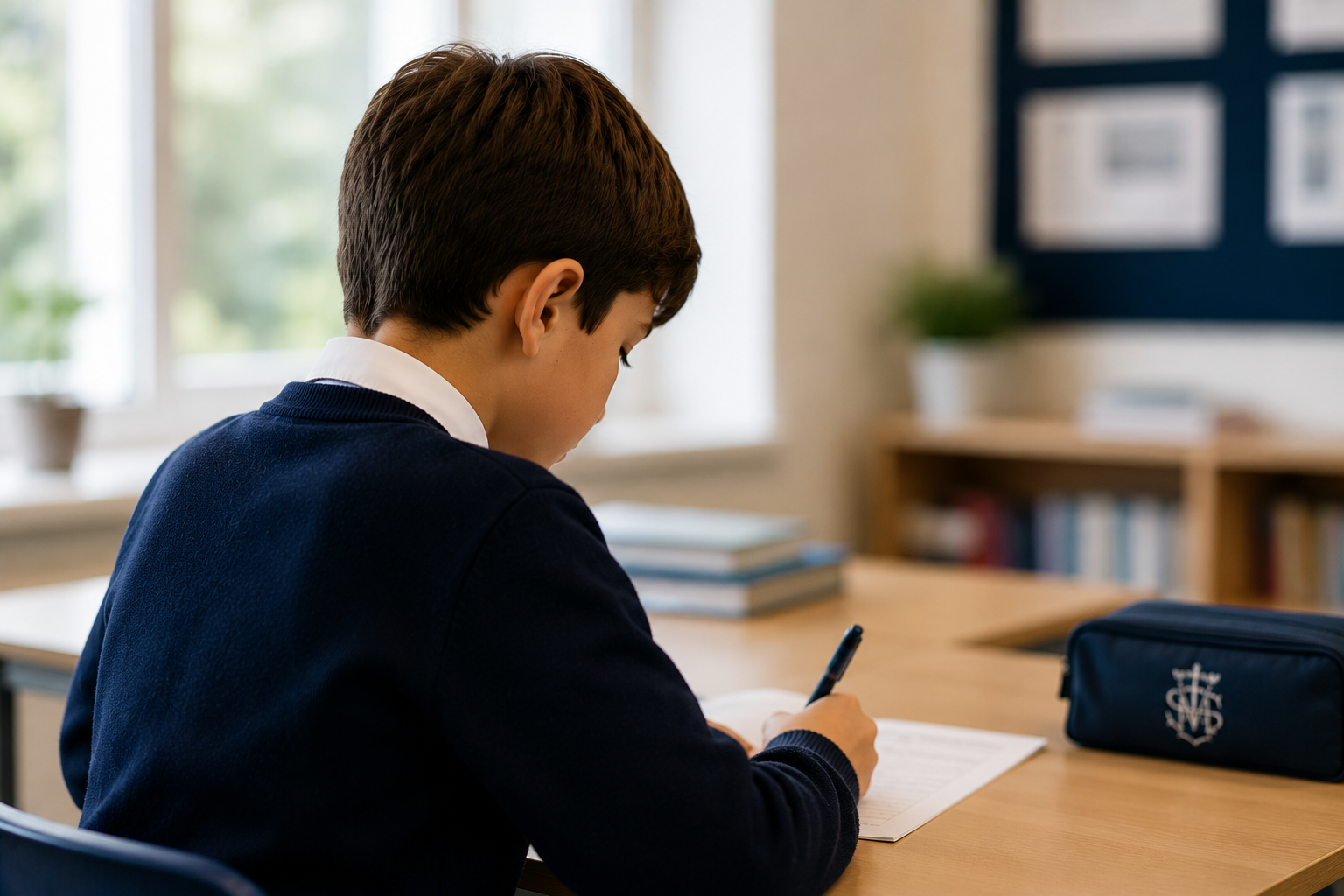
Private education focuses on developing each student’s potential. Smaller class sizes ensure individual attention, allowing teachers to understand and nurture each child’s strengths. Rigorous academic programmes challenge students and raise academic performance. Subjects like maths, science and languages are often taught at an advanced level, preparing students for demanding qualifications such as A-levels.
A focus on critical thinking and problem-solving equips students for academic studies and career pathways. By fostering a love of learning, private schools also inspire a lifelong passion for education.
Beyond the classroom: enrichment programmes
Academic enrichment programmes extend learning beyond traditional subjects. These programmes include activities like arts, music, sports and drama, which contribute to well-rounded development. Specialised clubs and societies provide opportunities to explore interests in deeper detail.
Mentorship programmes and student-led groups encourage collaboration and leadership. This holistic approach to education builds confidence and prepares students for varied career paths, including careers in science, arts, business and more. By participating in these activities, students develop skills that are vital for both personal growth and career prospects.

Preparation for future education
Private schools are known for their robust preparation for higher education. Students benefit from personalised guidance on A-level and university subject choices, ensuring they select the best paths for their interests and goals.
As a prep school, St Martin’s specialises in preparing your son to continue his studies in some of the most prestigious and high-achieving schools, colleges and universities around. We offer places in specific educational institutions – find out more about our leavers’ destinations.
Extracurricular activities and student wellbeing
Extracurricular activities offer great benefits for student wellbeing, especially in private schools where the range and quality of programmes are often exceptional. These activities help in emotional and social development, contributing to a more balanced and fulfilling educational experience.
The role of extracurricular activities in private schools
Private schools typically offer a wider range of extracurricular activities compared to public schools. These can include anything from common activities like sports and music to more specialised ones such as debate clubs or coding classes. Many private schools have amazing sporting facilities and a strong annual sports programme, which encourages physical fitness and teamwork.
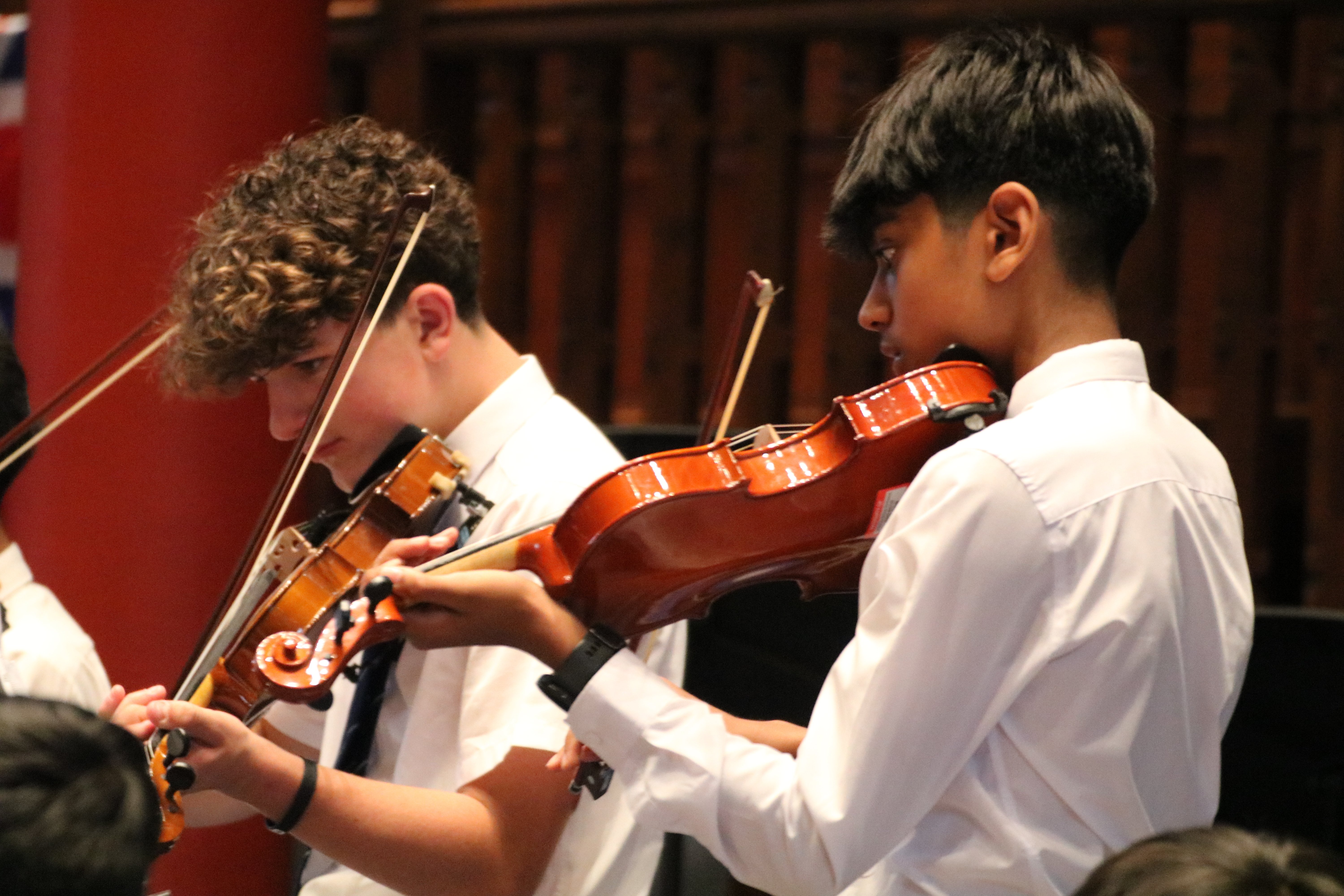
Your son will benefit from a range of co-curricular activities here, including educational visits and after-school clubs in a range of areas such as sports, coding and more, with St Martin’s. We’re also renowned for our music programmes, which see our students dramatically improve their scores in core subjects as well as honing musical talent.
Arts facilities in private schools also provide avenues for creative expression, whether through drama, painting or music. Additionally, boarding facilities often support these activities, providing environments where students can engage and practice outside regular school hours. Such settings are crucial in fostering both discipline and enthusiasm among students.

Supporting emotional and social development
Participating in extracurricular activities can significantly enhance emotional wellbeing. Engaging in sports or arts can boost self-esteem by allowing students to excel in areas outside the traditional academic curriculum. For students with special educational needs, tailored activities can offer unique opportunities for social interaction and skill development.
These activities also teach vital social skills including teamwork, leadership and empathy. Working with peers towards a common goal, whether in a sports team or a drama production, builds strong social networks and improves interpersonal skills. Emotional resilience and self-efficacy are other critical life skills that develop through regular participation in such programmes.
Overall, the emotional and social benefits students gain from engaging in a wide array of extracurricular activities can be as important as the academic skills they develop during their schooling years.
Governance and standards in private schools
Private schools have unique governance structures and rigorous standards to ensure high-quality education. Key components include the role of the board of trustees and governors, and curriculum oversight by exam boards.
Role of the board of trustees and governors
In private schools, the board of trustees or board of governors plays a key role in governance. These boards are responsible for setting the school’s strategic direction. They ensure that the school adheres to the Independent School Standards set by the government, which cover areas including safeguarding, quality of education and student welfare.
The board of trustees also oversees financial management, ensuring that resources are used effectively to support the educational mission. They make decisions on budgeting, investments and major expenditures. The board of governors often includes individuals from diverse backgrounds, bringing a range of skills and perspectives. They meet regularly to review policies, monitor school performance and ensure accountability.
Curriculum oversight by exam boards
Private schools often follow curricula designed and regulated by various exam boards. These boards include organisations like Cambridge Assessment and Pearson. They ensure that the curriculum is rigorous and meets international standards. The exam boards provide syllabuses, set examinations, and issue qualifications that are recognised globally.
Teachers in private schools use these guidelines to plan lessons and assess students. The boards conduct regular reviews and updates to keep the curriculum relevant. They also offer training and resources for teachers to maintain high teaching standards. In private schools, the alignment with exam board standards ensures that students are well-prepared for higher education and future careers.
Frequently asked questions
Learn the differences between private and public school curriculums, the benefits of private schooling, and how it can impact your child’s future. Understand what justifies the choice of private education and the considerations parents should make.
How does the curriculum in private schools vary from that in public schools?
Private school curriculums often include a broader range of subjects and extracurricular activities. They may follow international standards like the British curriculum, which includes GCSE and A Level qualifications. These curriculums allow for more flexibility and specialised courses compared to the standardised public school system.
What are the discernible benefits of private schooling for a child?
Private schools often offer smaller class sizes, allowing for more personalised attention. This can lead to better academic performance. They also provide enhanced extracurricular activities such as drama, music and sports, which help in developing well-rounded individuals.

In what ways can a private school education impact a student’s future?
Students from private schools often have higher chances of getting into top universities. The qualifications they earn, such as GCSE and A Levels, are highly recognised by institutions worldwide. Additionally, the strong network of alumni can be beneficial for future job opportunities.
What justifies the choice of private schooling over public education?
Private schools often have more resources, better facilities and experienced teachers. They focus not only on academics but also on character development. The controlled environment can offer a safer and more supportive atmosphere for students, which can be crucial for their growth and learning.
Are there any long-term advantages to sending a child to a private school?
Children from private schools often develop strong critical thinking and leadership skills. They are usually better prepared for higher education and future careers. The connections and friendships formed can also provide lifelong personal and professional networks.
What considerations should parents make when deciding between private and public school education?
Parents should think about the school’s educational philosophy, location and the specific needs of their child. Examining the facilities, extracurricular options and overall cost is also important.