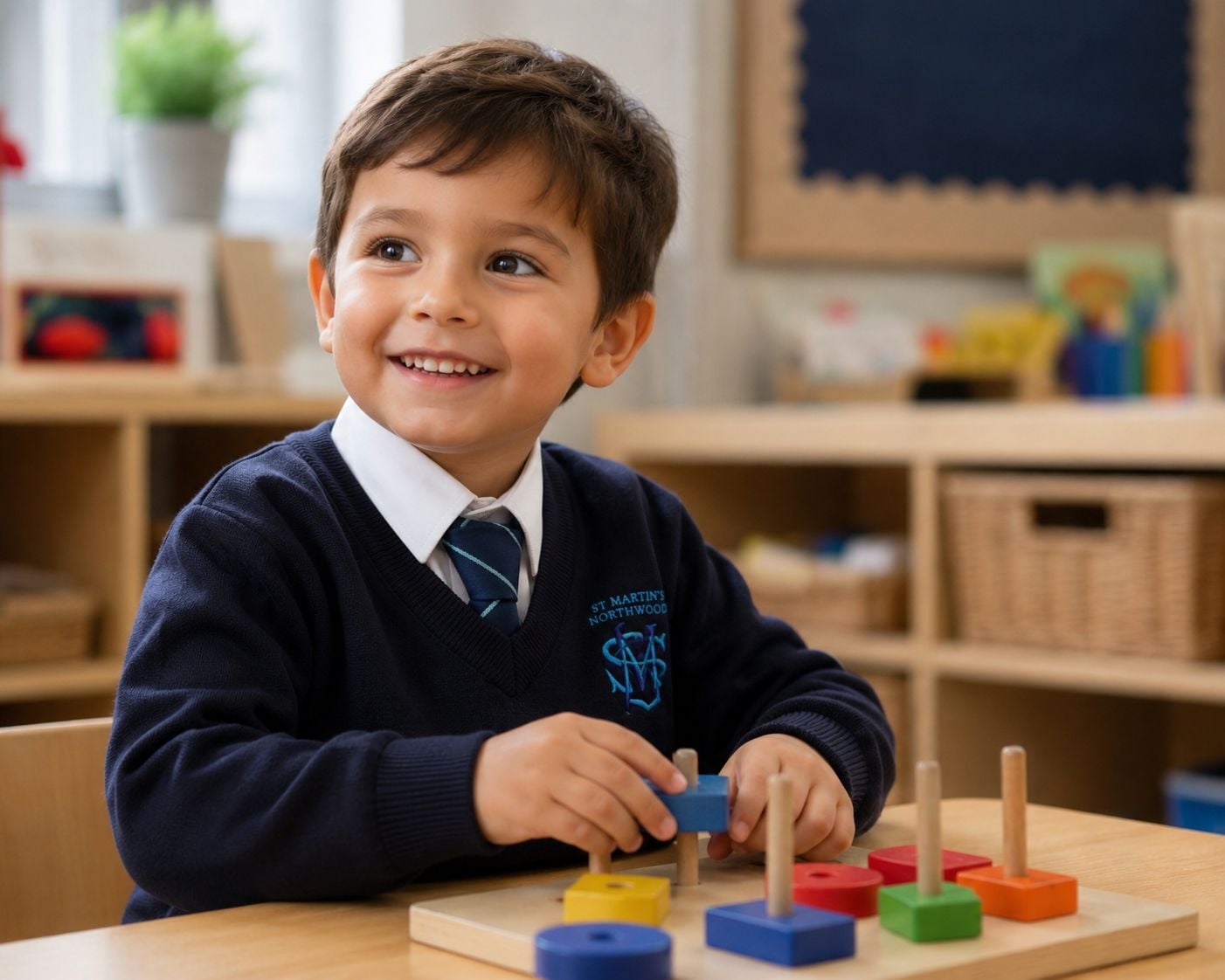
Moving to Year 3, Helping Your Son Settle into Prep School
Published on: 5 October 2026
As boys progress through their school years, they develop new skills, discover their strengths and become increasingly confident and independent. Understanding how these changes unfold can help parents encourage their son’s development and support them in making the most of their school experience.
Why does the move to Year 3 feel significant?
For many children, Year 3 marks a shift in the way school feels. Lessons may become more varied, expectations may increase and pupils may be asked to manage more of their own belongings and work. For a boy joining a new school, there is an additional task: getting to know unfamiliar people and routines. Families considering 7+ entry often find it helpful to look beyond the admissions process and think about the first weeks after arrival.
What can families do before the first day?
Talk positively but realistically about the change. Rather than promising that everything will be easy, explain that new routines take time to learn. Encourage your son to ask questions about what he is looking forward to and what he is unsure about. If the school offers transition visits or introductory information, use them to build familiarity. Keep home routines steady so there is room for rest and conversation.
How do new pupils make friends?
Friendships rarely appear fully formed on day one. Shared activities, playtime and small-group tasks can help children find common interests. Ask the school how new joiners are welcomed and whom your son can speak to if he feels left out. At home, avoid checking for a ‘best friend’ immediately. Questions such as ‘Who did you work with today?’ or ‘What made you laugh?’ can invite a more natural conversation.
Supporting a growing sense of independence
The move into Prep can offer chances to practise planning and responsibility. Start with simple habits: checking a bag together, knowing where belongings belong and learning how to ask for help. Independence grows best through repetition, not pressure. If a child forgets something, help him think through a practical solution instead of treating the mistake as a setback.
What should parents ask about academic transition?
Different schools organise Year 3 in different ways. Useful questions include how teachers assess starting points, how they support pupils arriving from other schools, and how they communicate progress to parents. A successful transition is not about assuming every child has studied exactly the same material. It is about understanding what each pupil knows and helping him build from there.
How long does settling in take?
There is no single timetable. Some children appear comfortable quickly; others need longer to feel at home. A change in mood after school, tiredness or a reluctance to talk can be part of adjusting, but persistent distress deserves a conversation with the school. Regular, calm communication between home and teachers can help identify what support would be useful.
What might feel different in Year 3?
The move into Year 3 can bring changes in expectations, pace and responsibility, even when a child stays within the same school. Boys may encounter more subject-specific learning, longer pieces of work or different routines for managing equipment. Families should ask which changes actually apply to the school they are considering, rather than assuming every prep school follows the same model. It can help to explain the new routines in concrete terms and give your son opportunities to practise them. Familiarity reduces uncertainty without pretending that every day will be easy.
How can parents and teachers work together during the transition?
Share relevant information about your son’s interests, strengths and any worries before the transition where the school invites this. In the first weeks, focus on patterns rather than one difficult afternoon. A child who comes home tired may be adjusting to new demands, while a persistent worry deserves attention. Ask whom to contact and how the school helps pupils develop friendships and confidence. Small, coordinated steps are usually more useful than a long list of expectations: one new routine, one opportunity to join in and regular reassurance that asking for help is welcome.
Frequently asked questions
Is Year 3 the same as 7+ entry? Year 3 is a school year; 7+ commonly refers to an entry point or admissions route, but schools set their own arrangements.
How long does it take to settle? There is no fixed period. Look for gradual confidence and speak to staff if concerns continue.
Should children prepare academically before moving? Ask the school about its curriculum expectations; confidence with reading, conversation and everyday routines can be valuable alongside academic preparation.
Exploring Year 3 at St Martin’s
If you are considering Year 3 entry at St Martin’s School in Northwood, our admissions team can explain the current application arrangements and how the school supports pupils joining at this stage. We encourage families to look at the whole experience, from learning and friendships to opportunities outside the classroom, when deciding whether a school is right for their son.
Better Prepared for senior school. Better Prepared for life.